


Hey, Luca here! This is a ✨ monthly free essay ✨ from Refactoring! To access all our articles, library, and community, subscribe to the full version:
It’s been almost two years since I last wrote about my home office setup, so it’s time for a refresher!
I will cover the 15-20 essential items that I have in my office, most of which have changed since the last time. Why have they changed?! Well, here are the main themes that led to the updates:
🎥 I am doing more video work — because of the podcast and the Youtube channel. So there has been a lot of tweaking around lighting, cameras, and related stuff. Speaking of which 👇
💡 I have become a light nerd — I got into a rabbit hole about the impact of lighting on your energy, ideal light intensity, and light temperature throughout the day.
🍻 The Refactoring team has grown — I have two regular collaborators who often come to my place, so I got an additional desk.
Other than these main themes, there is a long tail of quality of life improvements simply because I found something better about this and that.
Hope this list can come in handy for some late-minute Xmas gifts, or simply as inspiration for 2026!
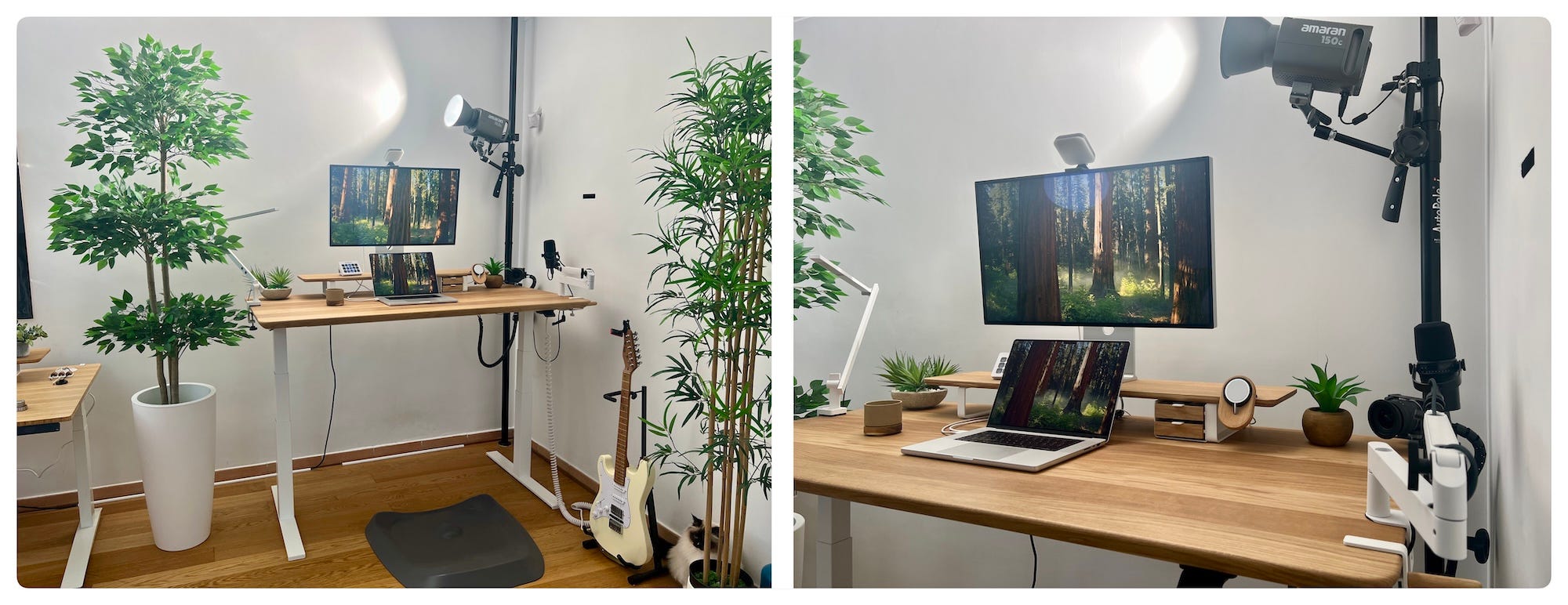
I organized this list into four categories:
🪑 Desk — my standing desk and its core accessories.
💻 Tech — computer, monitor, and a couple other essential devices
🎥 Video / Audio — everything I use to record the podcast and the Youtube videos.
💡 Lighting — making the office seriously bright + looking good in video.
🪴 Misc — plants and cups!
Let’s dive in 👇
I am not affiliated with any of the listed products in any way. These are just genuine recommendations.
🪑 Desk
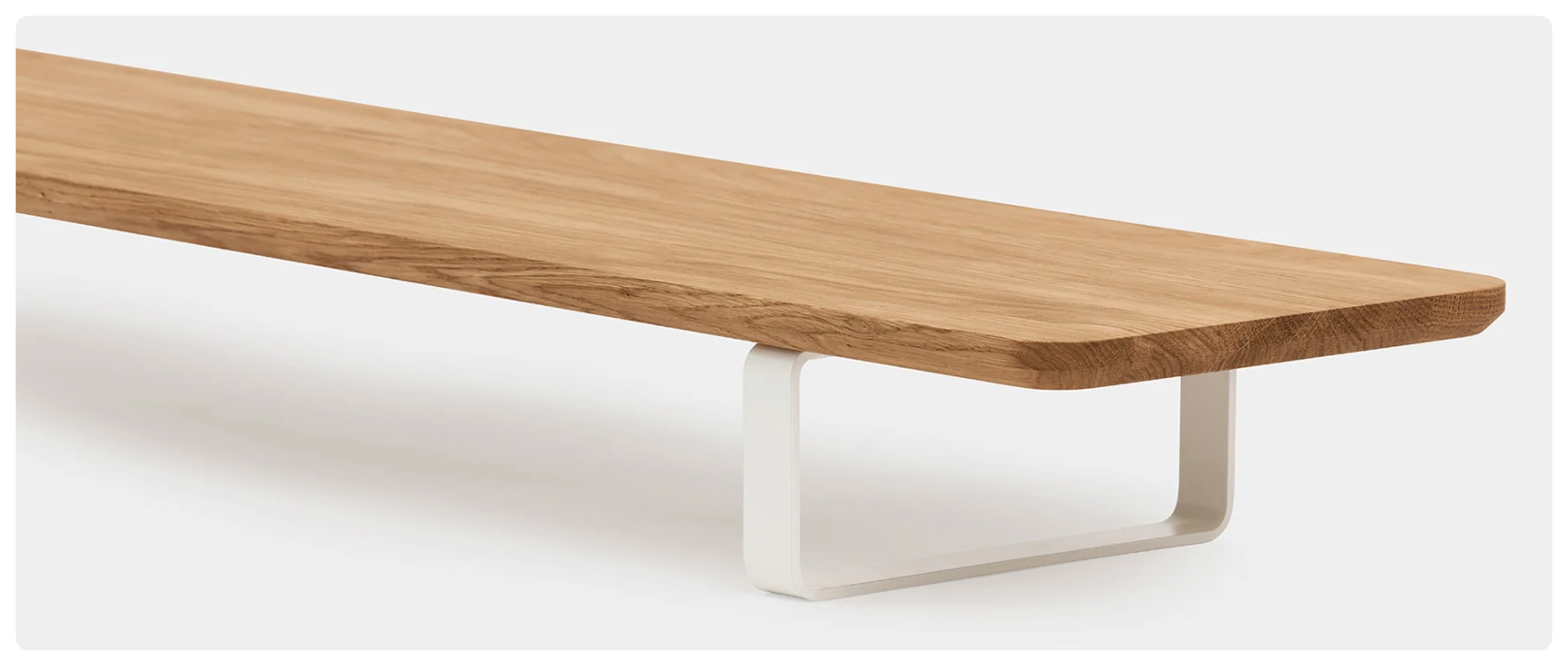
As anticipated, I bought a new desk. It is from Oakywood and, simply put, it’s the best desk I have ever had. It’s a standing desk, which is a tablestakes for me, and it’s made from solid oak.
It’s more expensive than the previous one but, as Oakywood puts it, it’s a forever desk, meant to last, well, forever. It is paired with some accessories also made by Oakywood, the most important of which is the shelf 👇
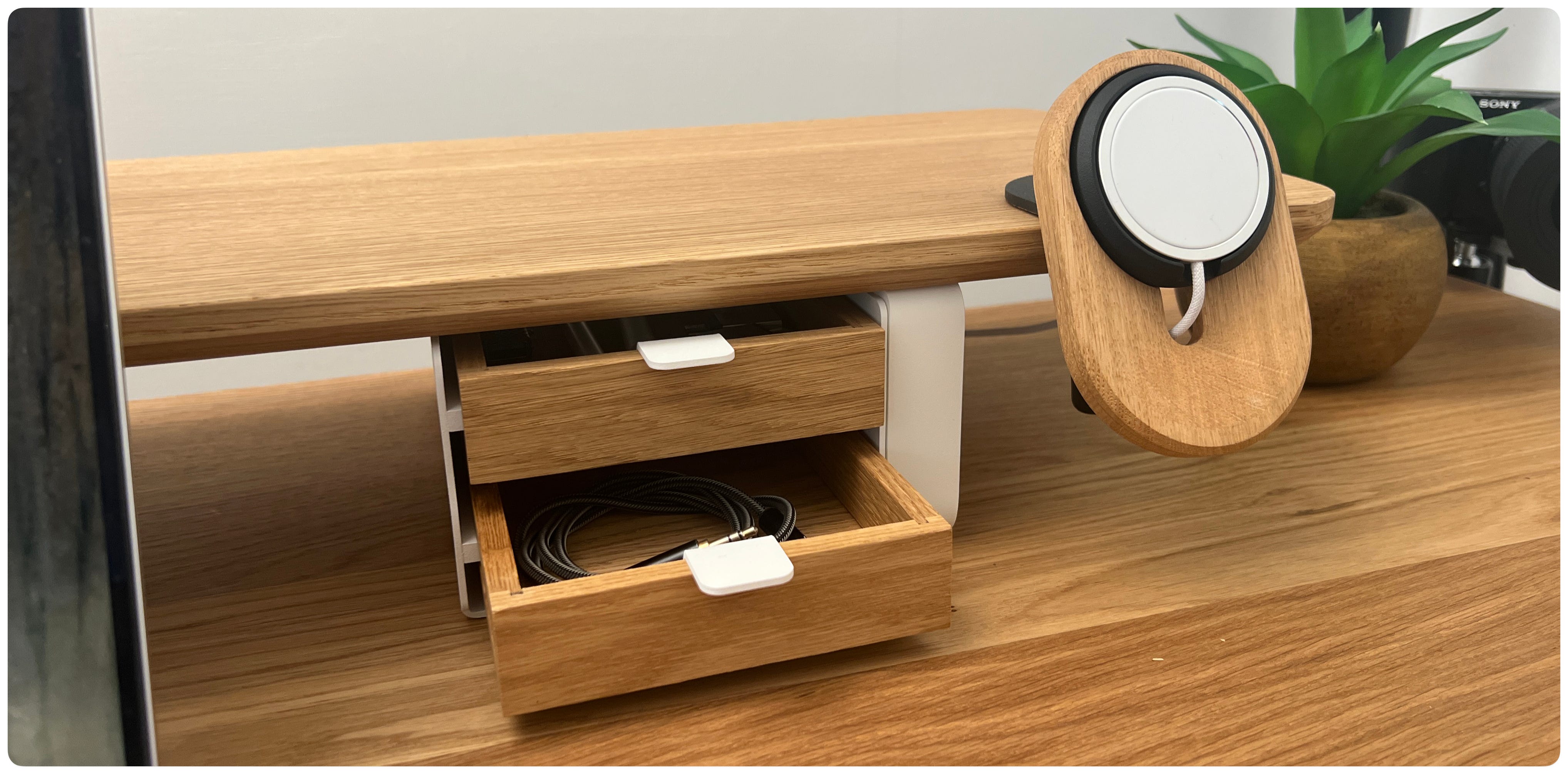
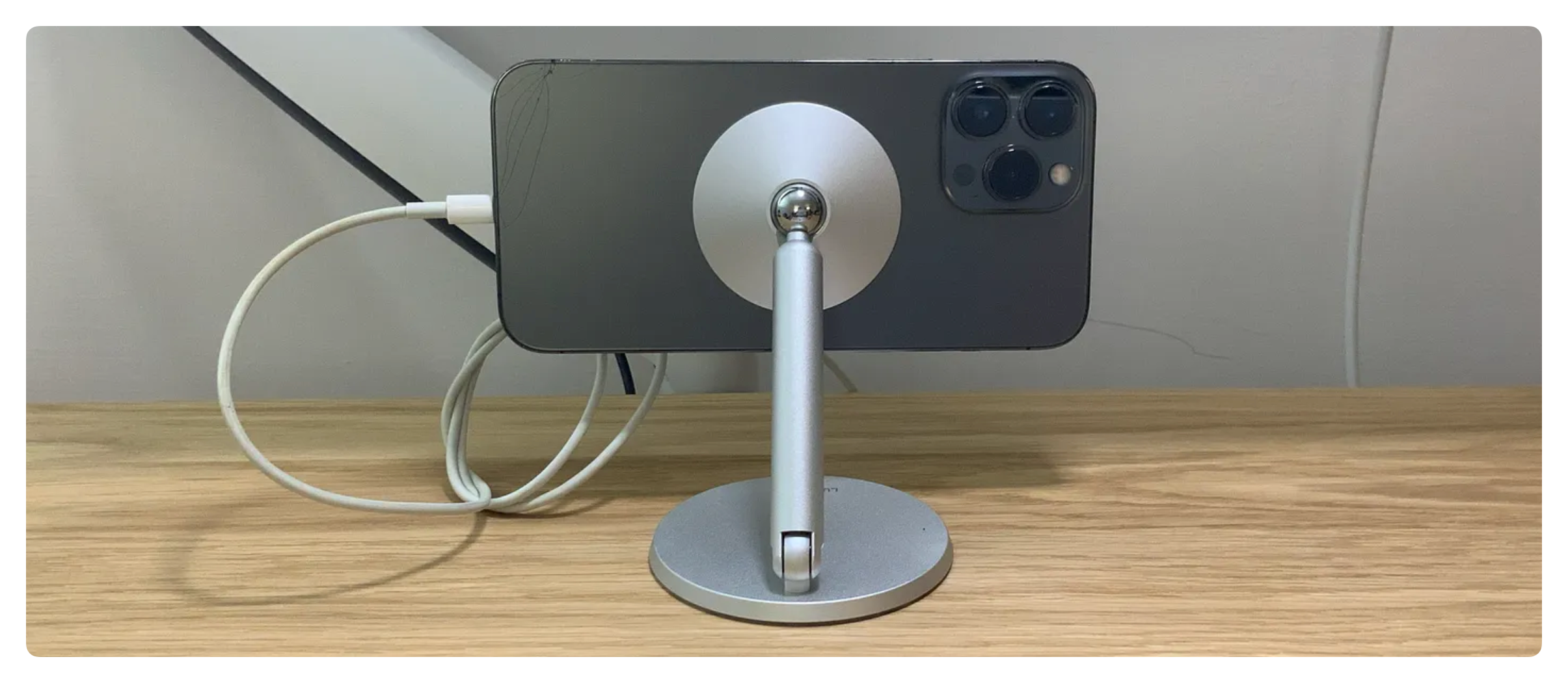
I also got the mini drawers and the phone stand+charger, both of which I am very happy with.
My standing desk routine hasn’t changed a lot over the years:
I mostly stand in the morning, say from 8 to 11.
I sit a bit before lunch, say from 11 to 12:30.
I do a long lunch break between 12:30 and 14:00 (sometimes 14:30).
I stand from 14:30 to 16:30.
I sit after 16:30.
I work in pomodoros, and in pauses I sit if I was standing, and I stand if I was sitting.
I do the challenging, cognitive-heavy work while standing, and more boring, repetitive work while sitting. In particular, I always write while standing, which tends to surprise people.
The most important addition to the standing desk is the anti-fatigue mat, which I have changed since last time. I was using a cheap one I got from Amazon, and I moved to the famous Ergodriven Anti-Fatigue Mat.
I resisted buying it for a long time since it seemed to cost a fortune and I feared it was a bit of a psyop, but I was wrong.
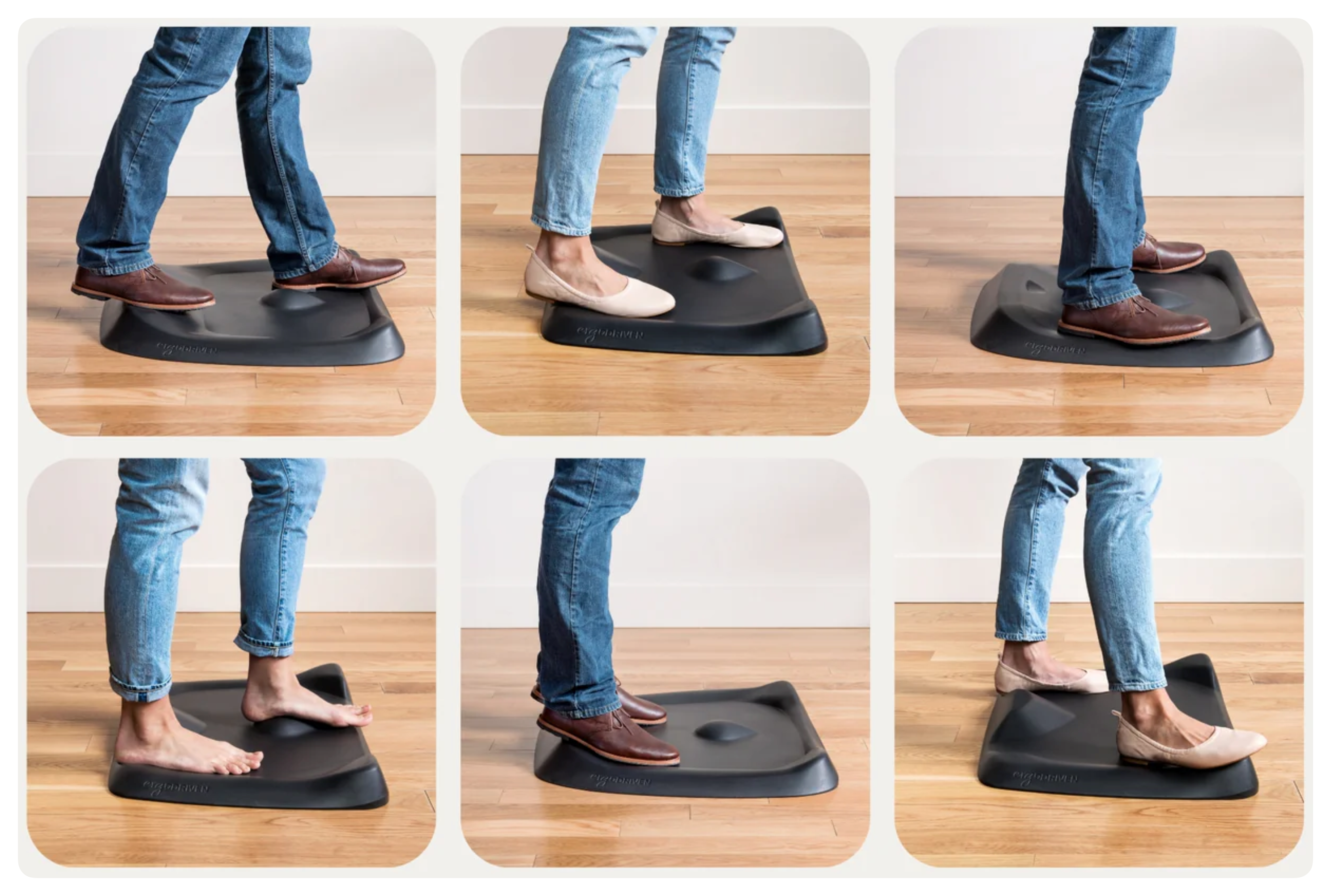
It has the perfect consistency, it feels indestructible, and the weirdly raised design really helps to keep you moving. I also found it is larger than it seems in the pictures. Very recommended.
💻 Tech
I work on a Macbook Pro 16’, which has not changed, and I connect it to pretty much everything through a CalDigit TS3 Plus, which also has not changed (even though I am considering moving to a TS4).
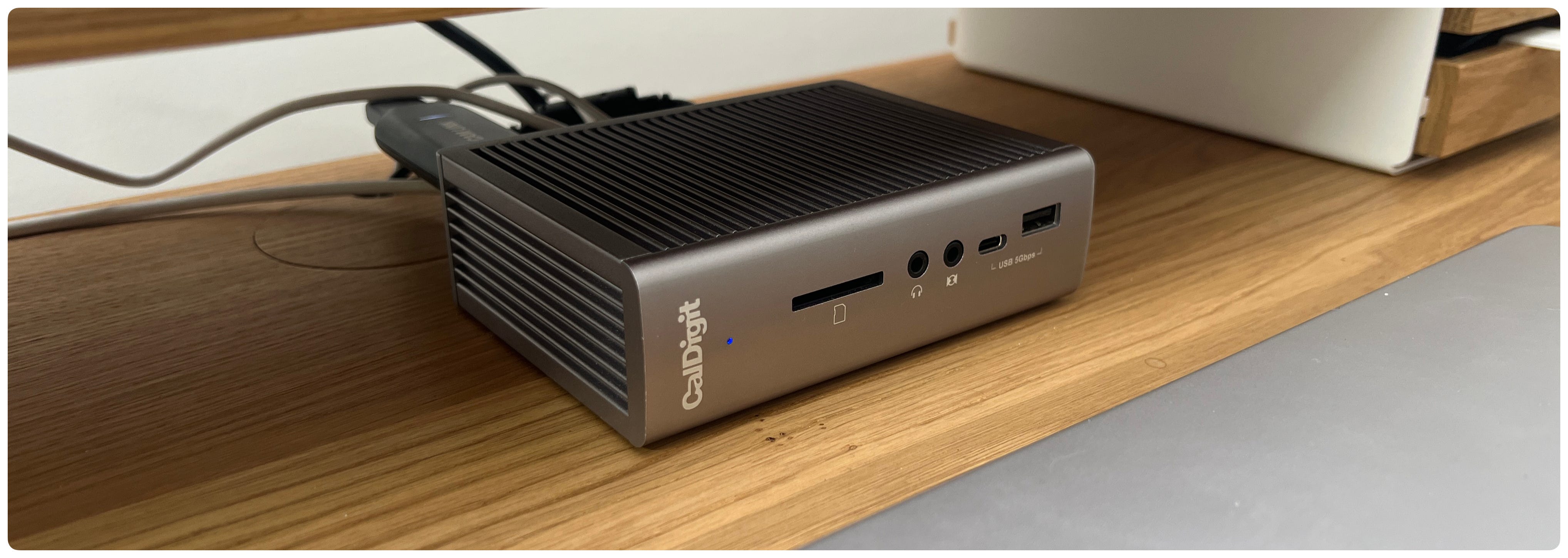
The TS3 is one of those things that raises a lot of eyebrows because it feels, at first, like a glorified USB hub that sells for $300+. In reality, it is worth every dollar. It is super reliable and makes sure everything is connected and powered properly, while there is only one cable that goes to your laptop.
One big thing that has changed is my monitor. I moved from an Apple Studio Display to a — gasp — Kuycon G32P.
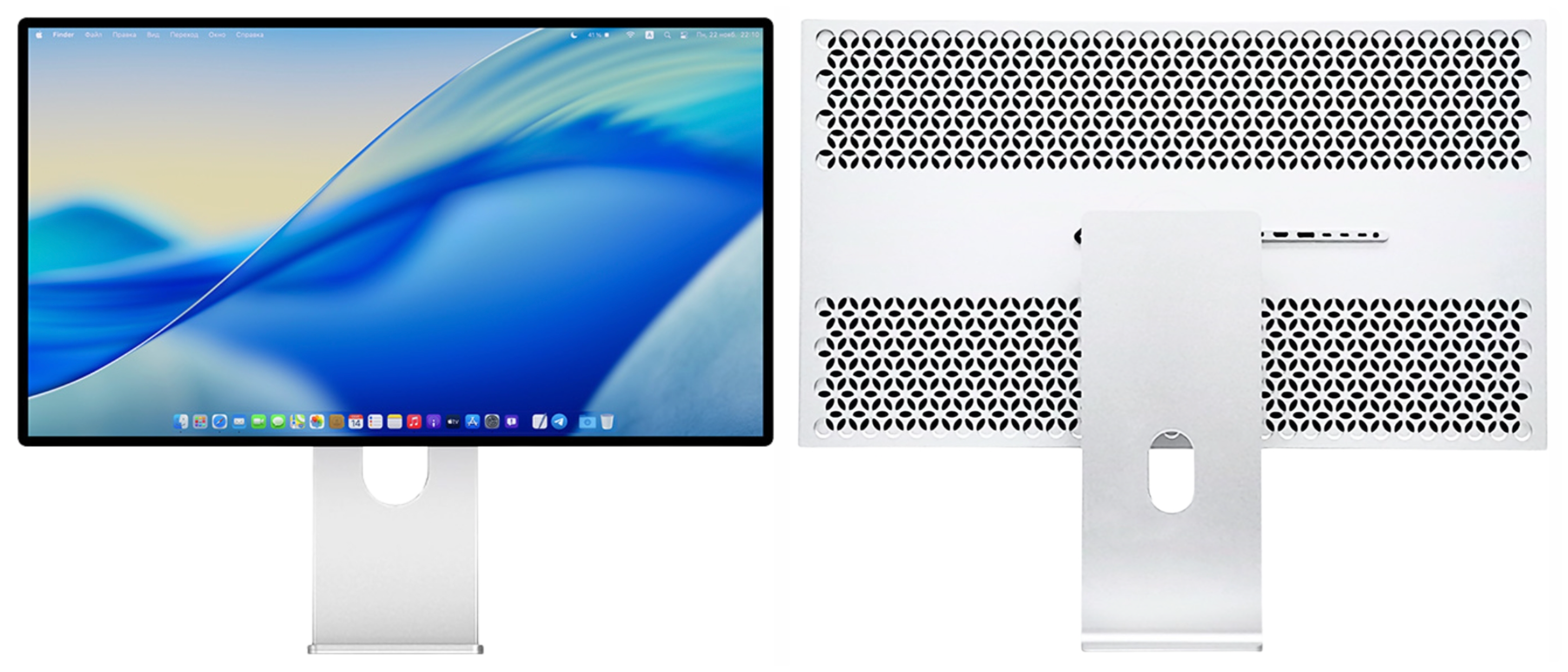
This display is an almost exact copy of an Apple Pro Display. The panel is almost identical, so is the hardware design, it works perfectly with macOS, and even has more ports.
The main difference is that this display costs, in Italy, about €1800, while Apple’s one costs €5600. Yes, exactly one third. The Kuycon display has also been widely reviewed on Youtube, compared side by side with the Apple version, and everything looks and works just right.
It’s just a great display full stop.
Another critical item of my setup is the Elgato Stream Deck. The Stream Deck is so useful that I am actually buying a second one, because I ran out of buttons.
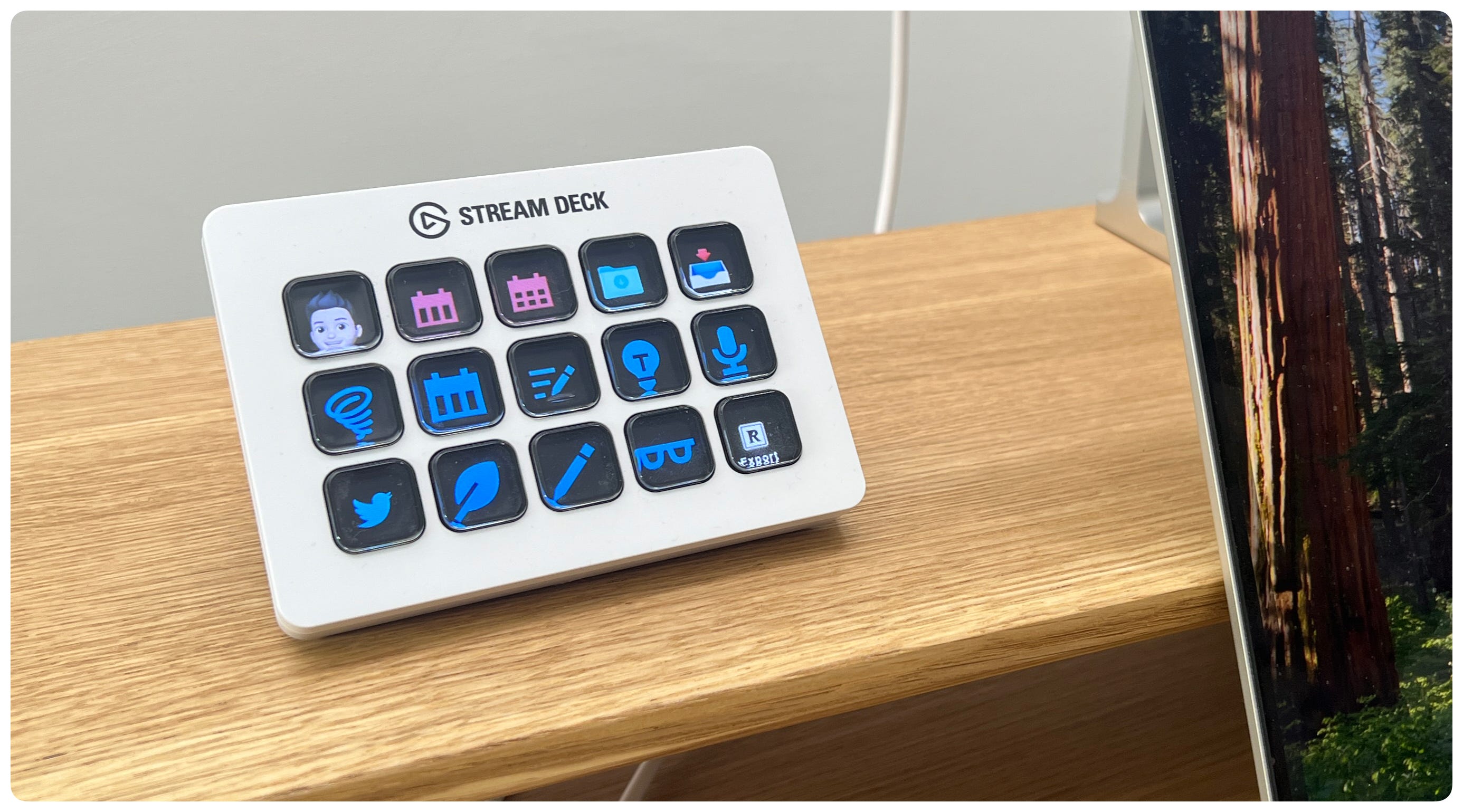
Many creators do complicated stuff with it, but my usage is extremely basic: it’s a collection of shortcuts to my most used procedures / websites.
To me, this is especially useful to make Notion less clunky: most of what goes into my Stream Deck is frequently used Notion pages — so it’s like a physical Notion sidebar.
🎥 Video / audio setup
This is an area where things have changed a lot. As a reference, here is how I recorded videos in 2024 👇
As of today, I did the following:
Switched from the iPhone to a Sony ZV-E10, which is more than good enough for the podcast.
I got an Elgato Teleprompter to enable, well, teleprompting, and proper eye-contact with guests.
I mounted everything on a Manfrotto Autopole.
The Autopole extends from the floor to the ceiling and is super convenient, so the camera stays in place even when the standing desk moves. It is also the perfect anchor to mount lights (see later) and all kinds of stuff.
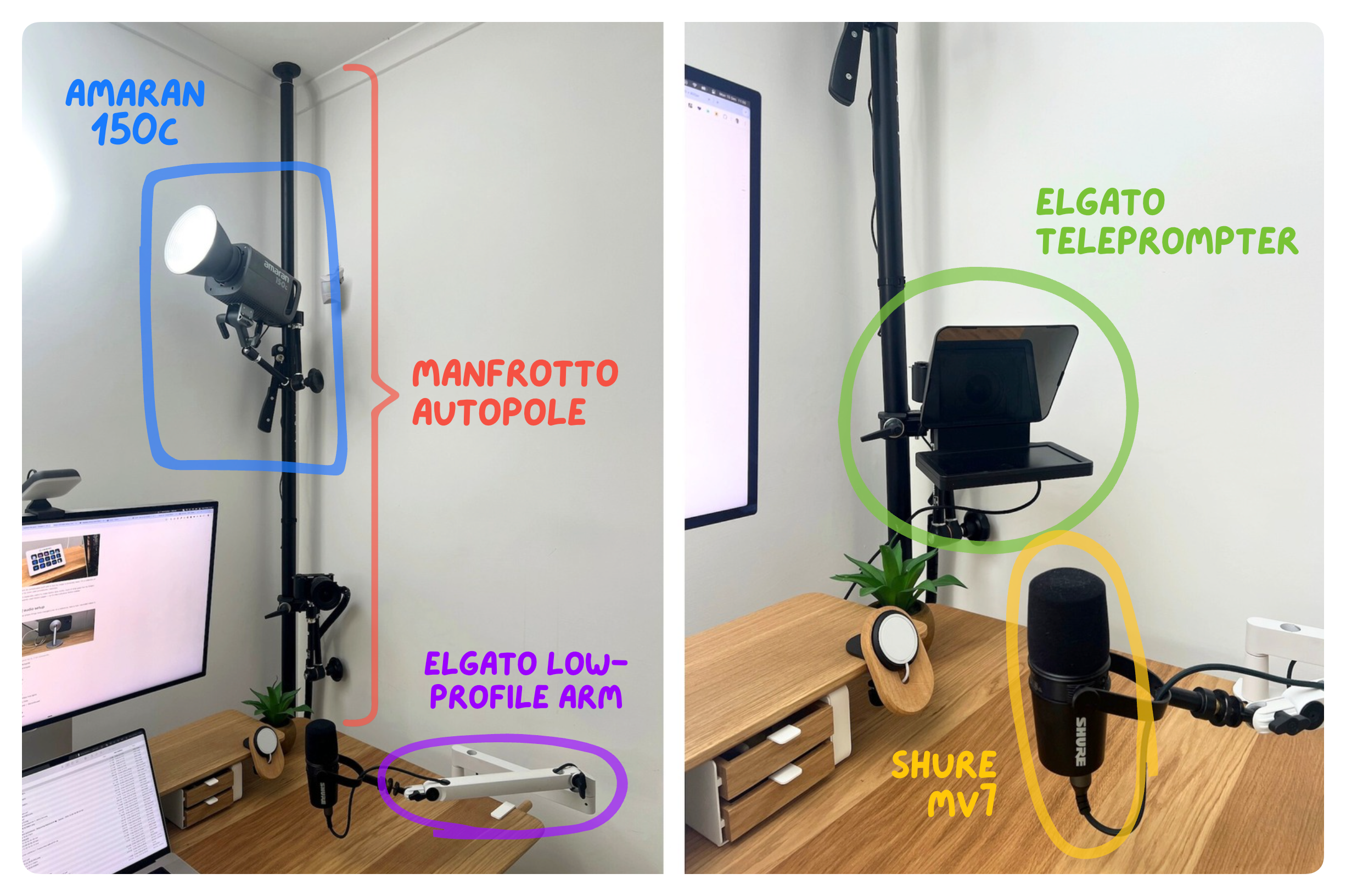
My audio setup hasn’t changed instead. I still use a Shure MV7, mounted on an Elgato low-profile arm, and connected to the Mac via a Focusrite Scarlett 2i2 (hidden below the desk).
💡 Lighting
This year, starting from this article, I got into a serious lighting rabbit hole, whose conclusions can be summarized in two points:
Bright light is good for our energy and mood.
Matching light temperature to time of the day (i.e. colder light earlier in the day, and warmer in the afternoon) is likewise good for the above and also for your sleep.
Both ideas stem from how our body adapted to sunlight, which is both 1) seriously bright, and 2) changing in temperature throughout the day.
So I changed all the lights in the office to match these requirements.
The easiest (and techiest) way to satisfy the changing light temperature constraint was to turn most bulbs into smart ones, namely those from Philips Hue. I did a ton of research and, although Philips Hue sometimes borders on Apple-esque insane pricing, it hits a unique sweet spot for good ecosystem, compatibility, quality, and reliability.
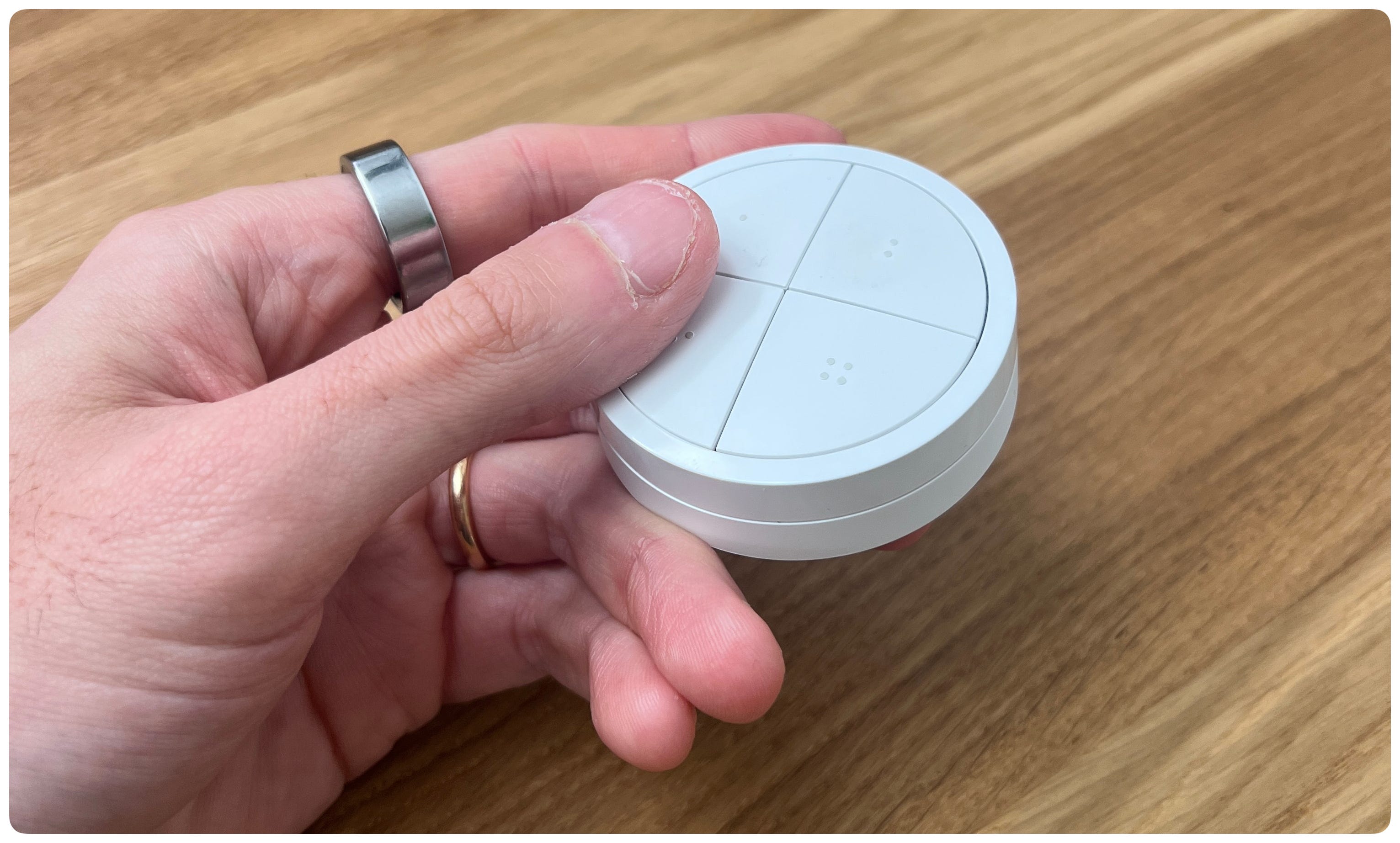
Also, I resisted for a long time migrating to smart bulbs because I didn’t want to control lights from my smartphone, so I felt stupid when I discovered I could do so from smart wireless switches. Now I use one tap dial switch to control all the lights in the office. I can turn them on/off all together, plus change their temperature / color automatically based on time of the day.
The only problem with smart lights is that it seems impossible to find seriously bright™ ones. That is, anything above ~1500 lumens.
So I got an Amaran 150c, which I already wanted to get to shoot videos with. It has full light color control and is 11,000 lumens-strong.
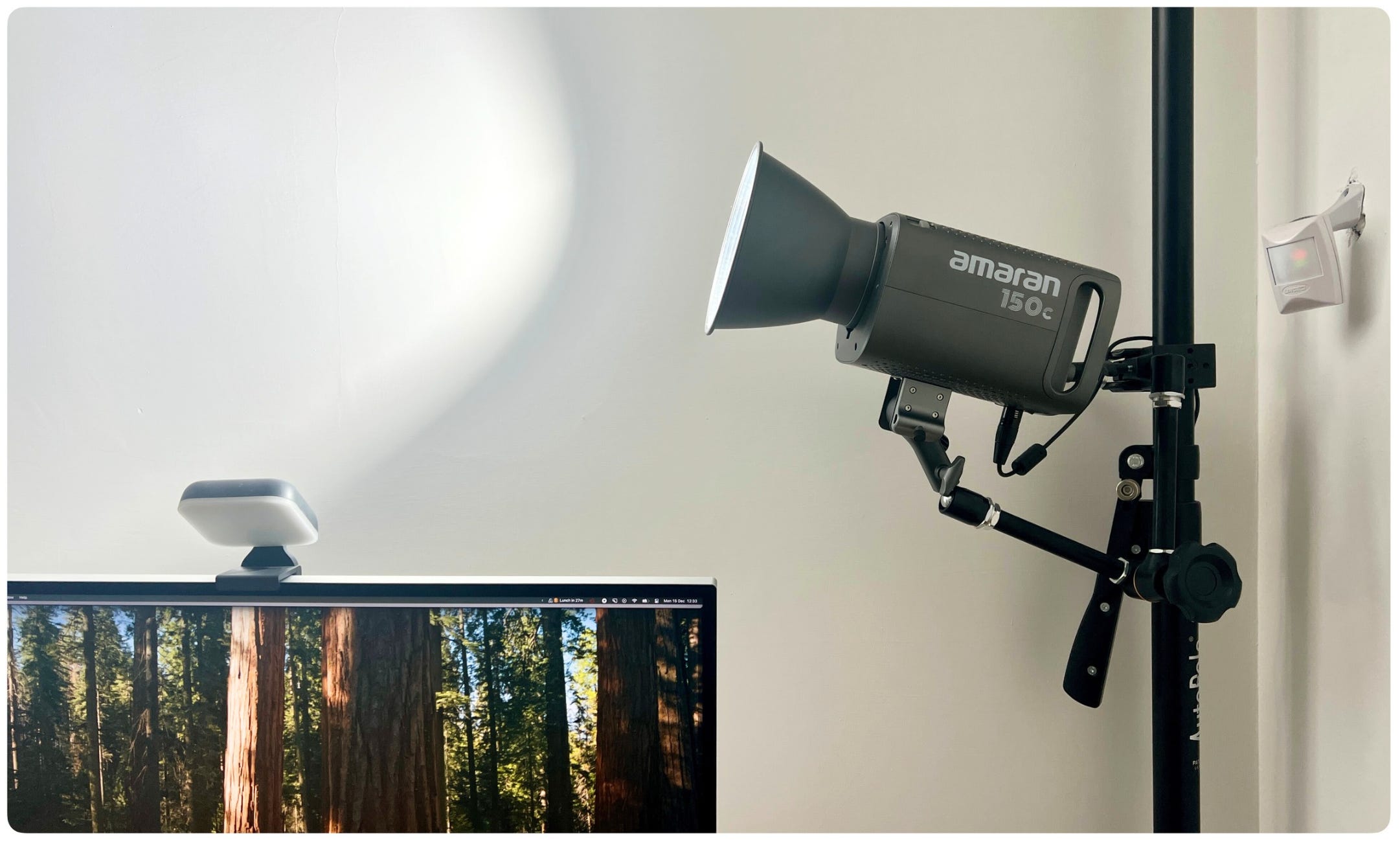
I point the light at the wall, and the reflected light is enough to brighten the whole room. It’s insane how bright it is. I can’t control it through the switch, but it has a physical knob on the back to easily change color temperature, which I can do in seconds.
I got three more ambient lights which all got the Philips Hue treatment, but to be honest they don’t make that much of a difference. The Amaran does the heavy lifting.
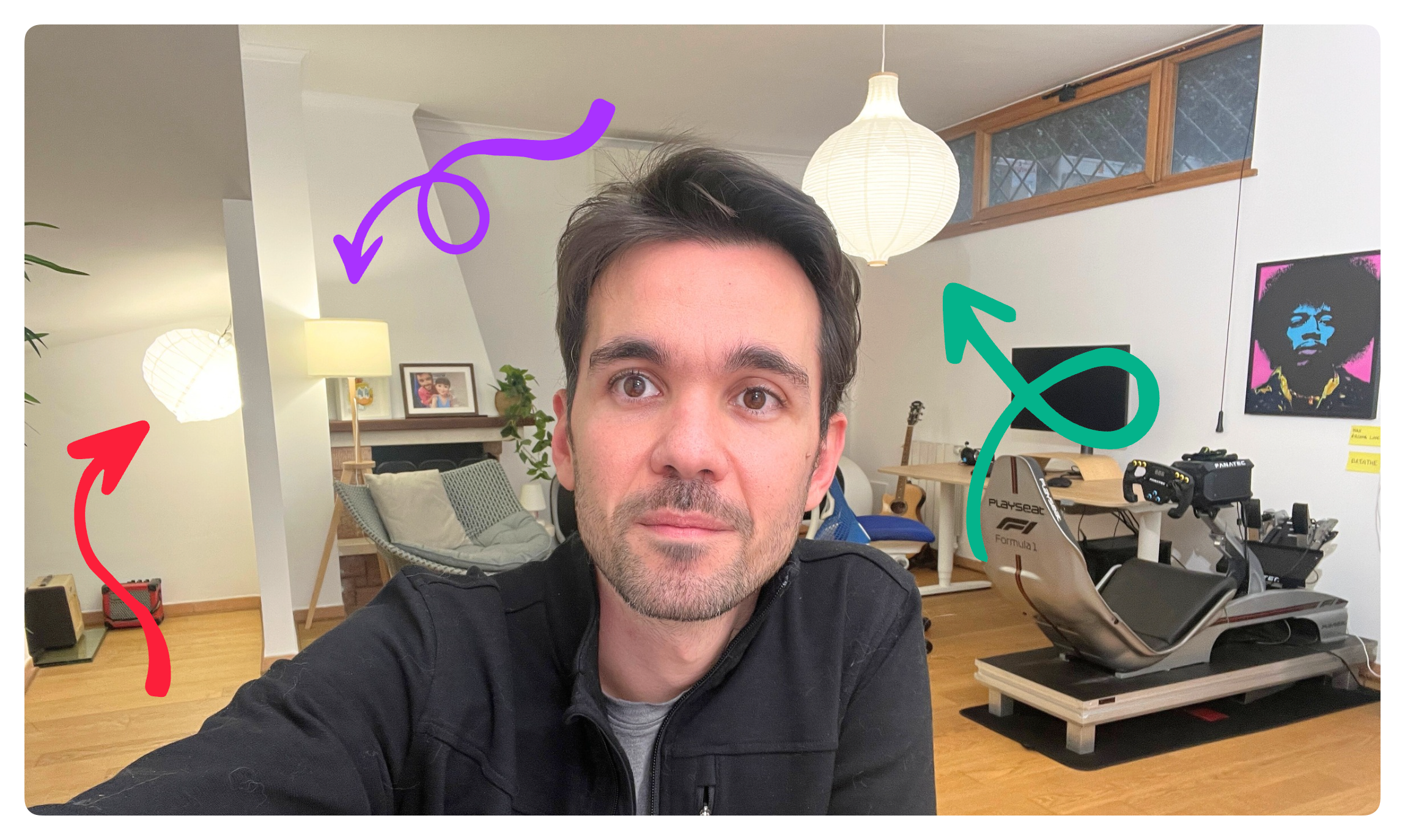
Same for the Logitech Litra Glow and the Fully Lamp (now discontinued 🥲) that I keep on my desk — they are nice but to be honest they don’t do much!
🪴 Misc
In the misc category there is room for two big winners this year.
The first one is this incredible artificial Ficus from the guys at Maia. We use artificial plants at our place because we have a cat and he tends to destroy plants + most of them are toxic to him.
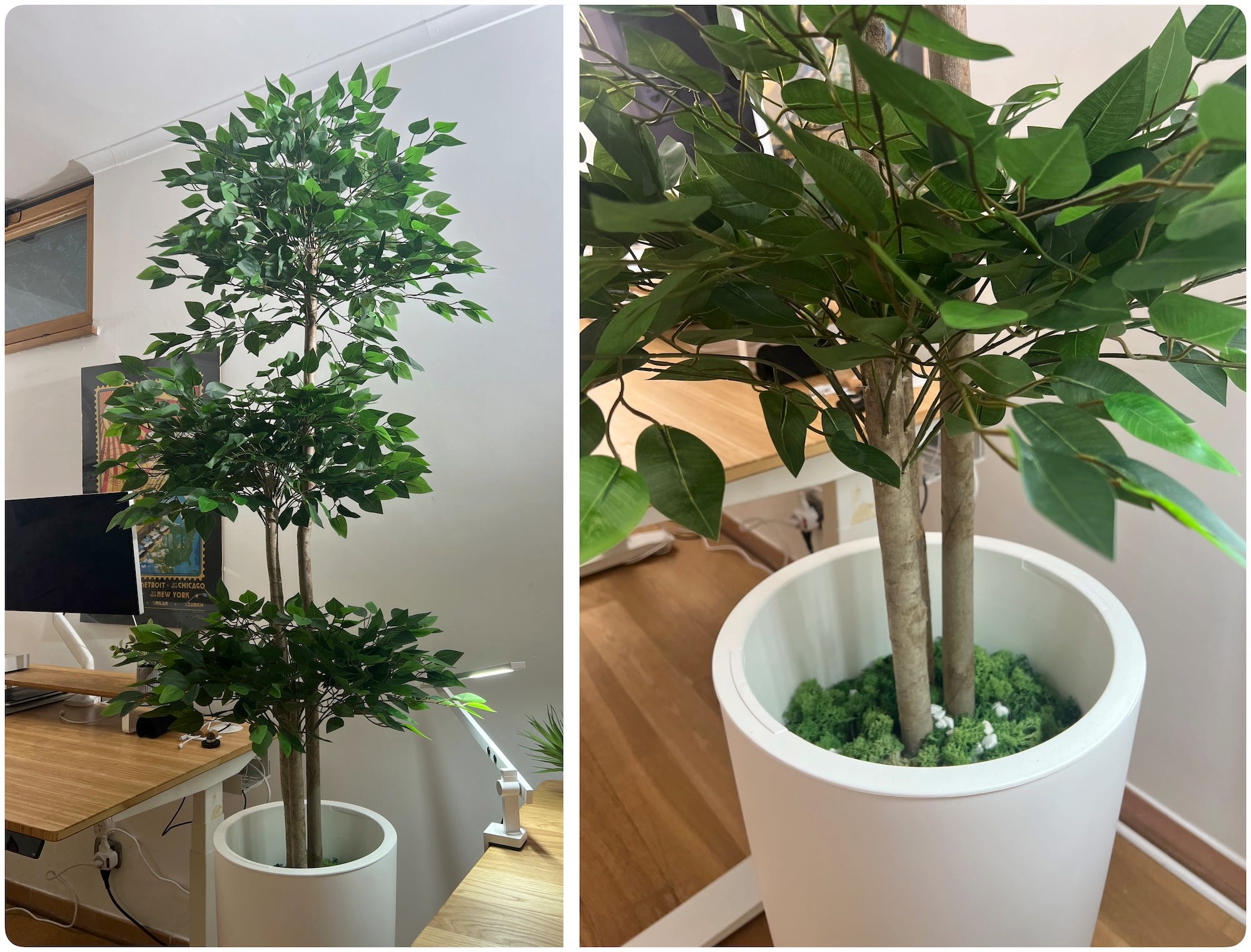
Maia plants are the best artificial plants I have ever seen, and I have seen a lot! They use natural trunks for all of them, and they even have 100% natural preserved plants, something I didn’t even know it was possible.
The second winner is a cup from Hasami porcelain, about which I need to digress a bit. Hasami porcelain is made in Japan, in a village (Hasami) which has a porcelain tradition that dates back centuries, but is designed in the US by a Japanese guy who has this strong engineering approach for which everything needs to be stackable.
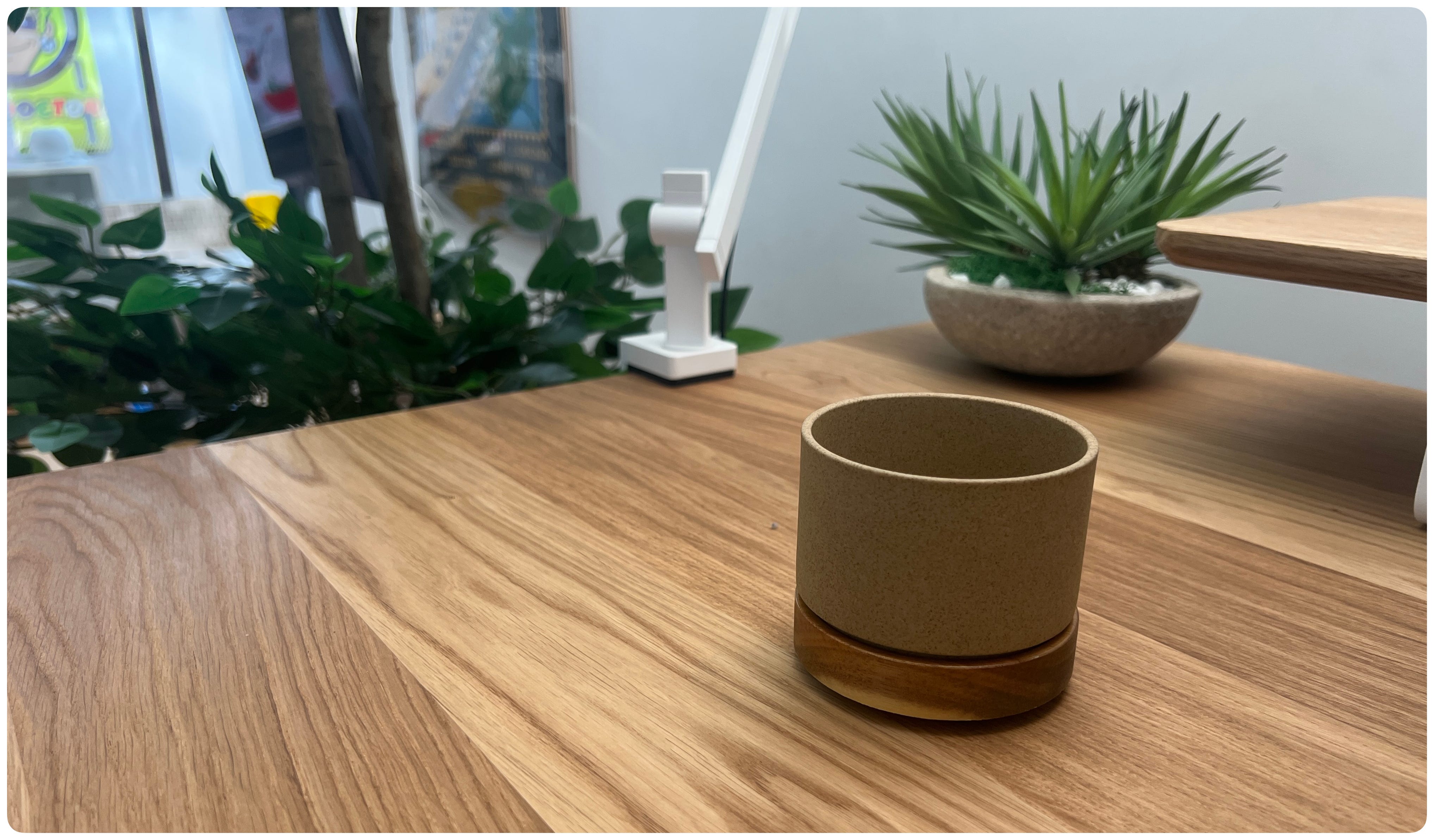
Needless to say I was instantly sold by the combination of these two things.
Hasami is like a framework for tableware. Cups, plates and bowls all exist in well-defined combinations of sizes and materials, so that everything has a purpose and can be stacked together.
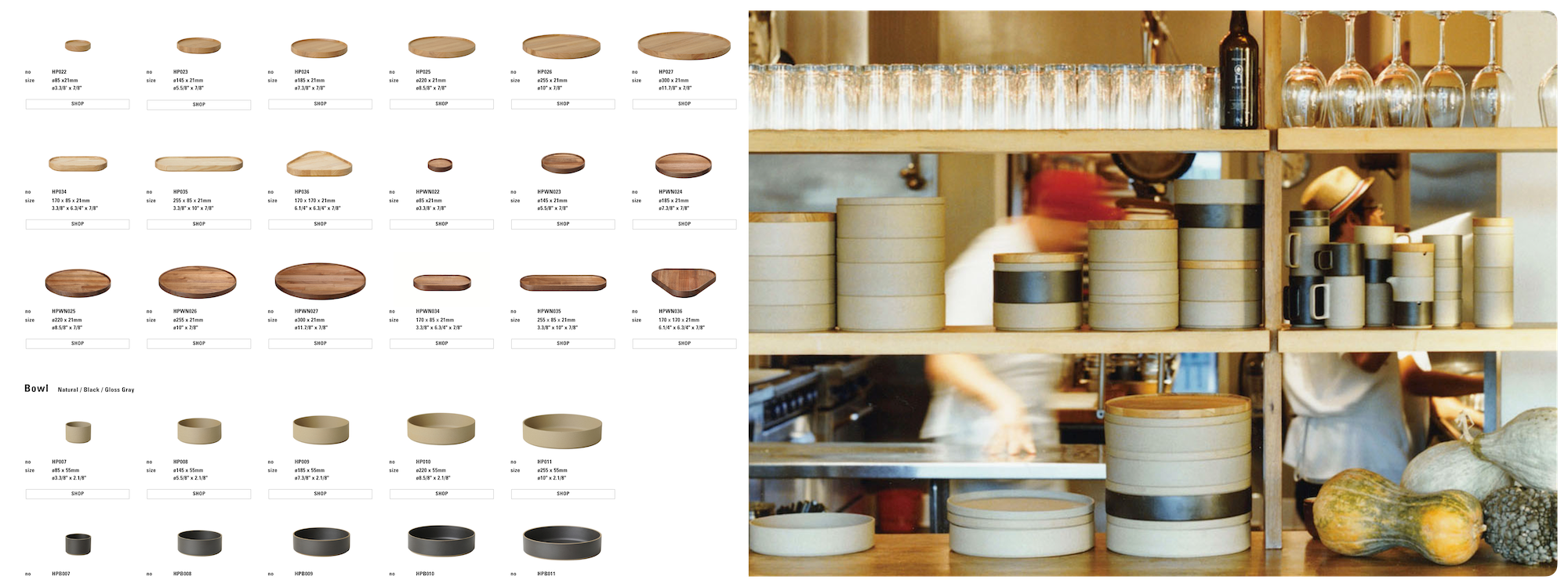
We only bought a few pieces because we didn’t feel like replacing our whole tableware (…yet) but I feel like now that I've bought into the framework, I can’t buy anything else — well played, Hasami.
And that’s it for today! I wish you a great week.
Sincerely 👋
Luca
Also, is that a left-handed guitar? When do we get to hear the tones :)
What is life without good cinematography, that's what I always say :)