


Hey, Luca here! Welcome to a new edition of the 💡 Monday Ideas 💡 — ideas and readings to start the week on the right foot.
🪜 The 8 Levels of Context Maturity
This is brought to you by our friends at Unblocked!
The token spend shows that AI is in your engineering workflow, but the throughput doesn’t!
Raise your hand if you can relate. A lot of the times, this is a context problem. I personally invest a lot in making sure AI gets good context about past decisions, what exists, and what needs to do, and I get a lot of help from Unblocked about this.
On July 23rd, the Unblocked team is running a free webinar that maps the 8 levels of context maturity: where most teams are stuck, what the ceiling looks like at each stage, and what it takes to make the most out of your agents.
Very recommended 👇
1) 🗳️ Anticipate exec questions
Whether you are an engineer or a manager, one of the most underrated skills you can have is making your ideas easier to approve!
This is often tricky, especially when presenting to executives, who may be removed from our work and don’t understand technical details. In this case, you can put yourself in their shoes and *anticipate *many of their questions, like:
How much will it cost?
What do we get for the money?
Why now?
What happens if we do nothing?
What other options did we consider?
How will we measure success?
What are the risks, and how do we reduce them?
Who owns delivery?
Which other teams or business areas are affected?
Some of these will feel annoying or nitpicky, or even not really applicable to your situation, but you may get asked them anyway! The more senior someone is, the wider their span of responsibility becomes, and the less time they can spend understanding any single problem. Expect broad, sometimes even off-topic questions.
So your job becomes to compress the important context for your interlocutor, translating complexity into things like trade-offs, outcomes, risks, and timing.
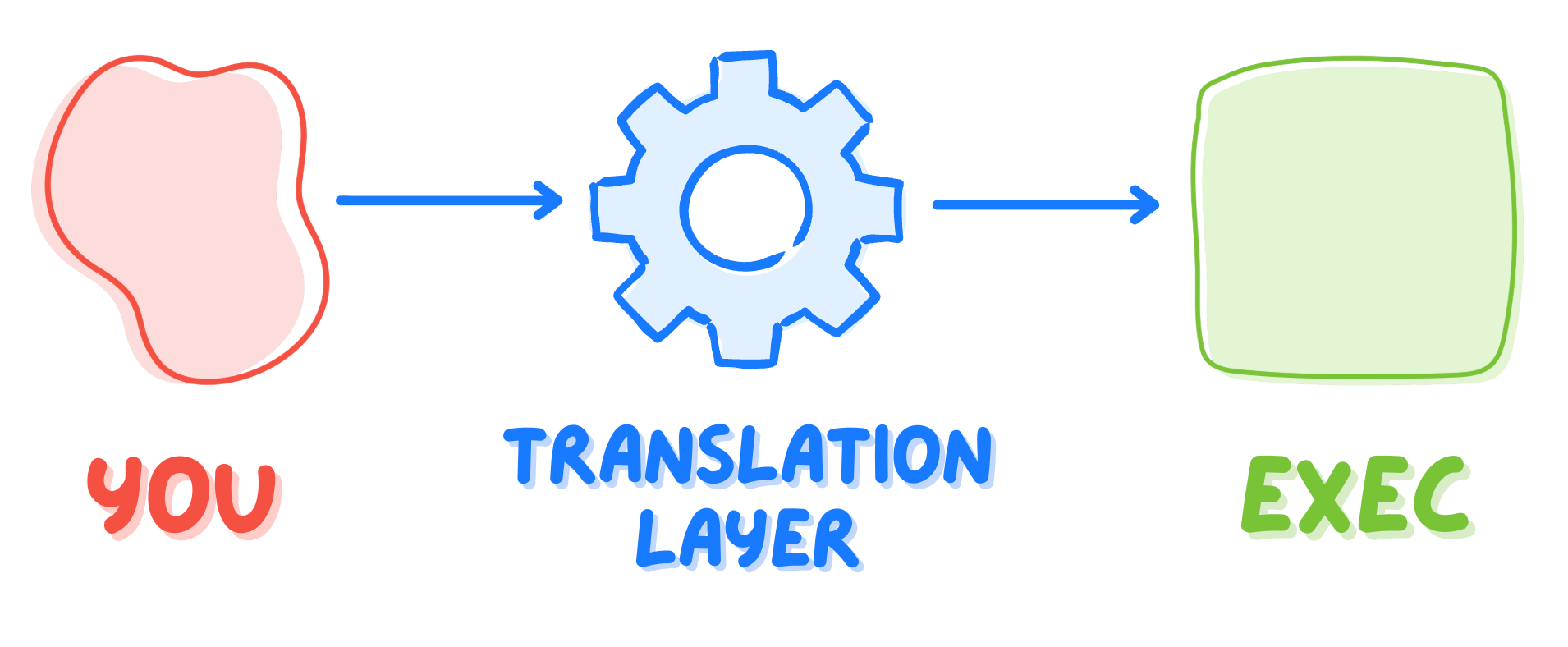
A good proposal should make the obvious executive questions boring, because they are already answered. That is how you turn a good technical idea into something the business can actually say yes to.
I wrote more about this in the full piece with Anna Shipman on the Engineer → Executive Translation Layer 👇

2) 🎧 Quiet leadership prevents noisy emergencies
Tech culture loves the person who saves the day.
The engineer who stays up late to fix production. The heroic intervention that makes everybody clap.
These days I rewatched my first conversation with Rands, and I love how he pushed back on this instinct. Rands simply says: if someone saves the day, the first question should be “why did the day need saving?”
A lot of good leadership is invisible because the bad thing simply never happens. It’s when:
You act on a yellow flag before it becomes a red flag.
You give feedback early, before resentment piles up.
You listen long and hard enough to understand what is actually going on, instead of rushing to action.
Nobody claps when nothing explodes, but that’s how it works.
To make this possible, Rands stresses over the importance of listening as an active leadership tool. You need to be collecting the weak signals, the small patterns, which lead to equally small (but crucial) interventions every day.
You can find the full interview with Rands here 👇
3) 📚 Weekly Readings
Finally, here are the best articles I have read this week:
🥇 Viability of Local Models for Coding
9 min • by Birgitta Böckeler
A useful reality check on local coding models. The short version is they are getting much better, but the constraints are still very real: RAM, speed, context, tool calling, and reliability all matter. Great piece by Birgitta who we also interviewed last year.
🥈 In Defense of AI Mandates
4 min • by Charity Majors
I love how Charity frames AI mandates as a funding device. This means. if leaders want people to learn a new way of working, they have to make room for the temporary slowdown, the annoyance, and the mess. Charity was also one of the very first guests of our podcast.
🥉 We should be more tired than the model
2 min • by Vicki Boykis
An interesting take that I largely do not agree with, but gave me something to think about. I love the idea of using LLMs in a way that I can *grow *(as opposed to my skills atrophying here and there), but I don’t see myself going back to writing code manually in order to do that. That’s too big of a tradeoff. But will look for ways to make this more palatable!
And that’s it for today! If you are finding this newsletter valuable, subscribe to the full version!
1700+ engineers and managers have joined already, and they receive our flagship weekly long-form articles about how to ship faster and work better together! Learn more about the benefits of the paid plan here.
See you next week!
Luca