


Hi everyone! This is our last newsletter of the year, so to wrap up I am sharing the very best articles and interviews we created in 2025.
Think of this as the Refactoring Awards — yes, I am giving awards to myself!
Here is the agenda:
🔮 Best trends — what dominated the conversation this year.
🪄 Best of AI — the best AI stuff we wrote about.
🎙️ Best podcast interviews — the chats I personally loved the most
🚀 Best things we launched — the best non-articles!
Let’s dive in!
🔮 Best trends
One of the questions I receive the most often is about trends. Here is what we have talked about the most in 2025:
1) The AI explosion
AI has become impossible to ignore, even for the most skeptical. We have run our own industry report on this, talked about tools, mental models, and emerging practices. In 2025, 1 article every 4 on Refactoring has been AI-related. You can find our Best of AI further below.
2) Product Engineering going mainstream
AI is collapsing a lot of specialties, allowing people to go broader. PMs are getting closer to code, and engineers closer to product. Product Engineering has been a thing for a decade, but AI is turning it from a niche philosophy into the right direction for most product teams:
3) DevEx being taken seriously
The dual trend to the rise of product engineering has been the rise of platform engineering. The two actually share a lot of ideas. Platform engineers, in a way, are product engineers whose customers are other engineers: they use a product mindset to build tools that customers want, create feedback loops, measure adoption, and so on.
Platform engineering joined a wider conversation where we got to agree that developer experience is, by and large, what separates elite engineering teams from the average ones. We wrote about this several times:
In praise of “normal” engineers — and 10x teams!
4) Job market staying tough and… weird
It’s no secret that the tech job market stays tough for everyone: managers, senior ICs, juniors, just about everyone. Gergely wrote a great series about it which you should check out.
But this was also the year where things got weird, largely because of AI. From breaking resumes, to enabling unprecedented cheating, to just changing what’s expected from new hires, AI is reshuffling a lot of the hiring game. Here are a few hiring and career ideas we wrote about:
🪄 Best of AI
AI deserves a category of its own this year. It has completely dominated the conversation, and it’s been hard to cover it in a way that was timely yet deep.
All in all, I am very happy with how we wrote about it, and most of our predictions / mental models still stand true today:
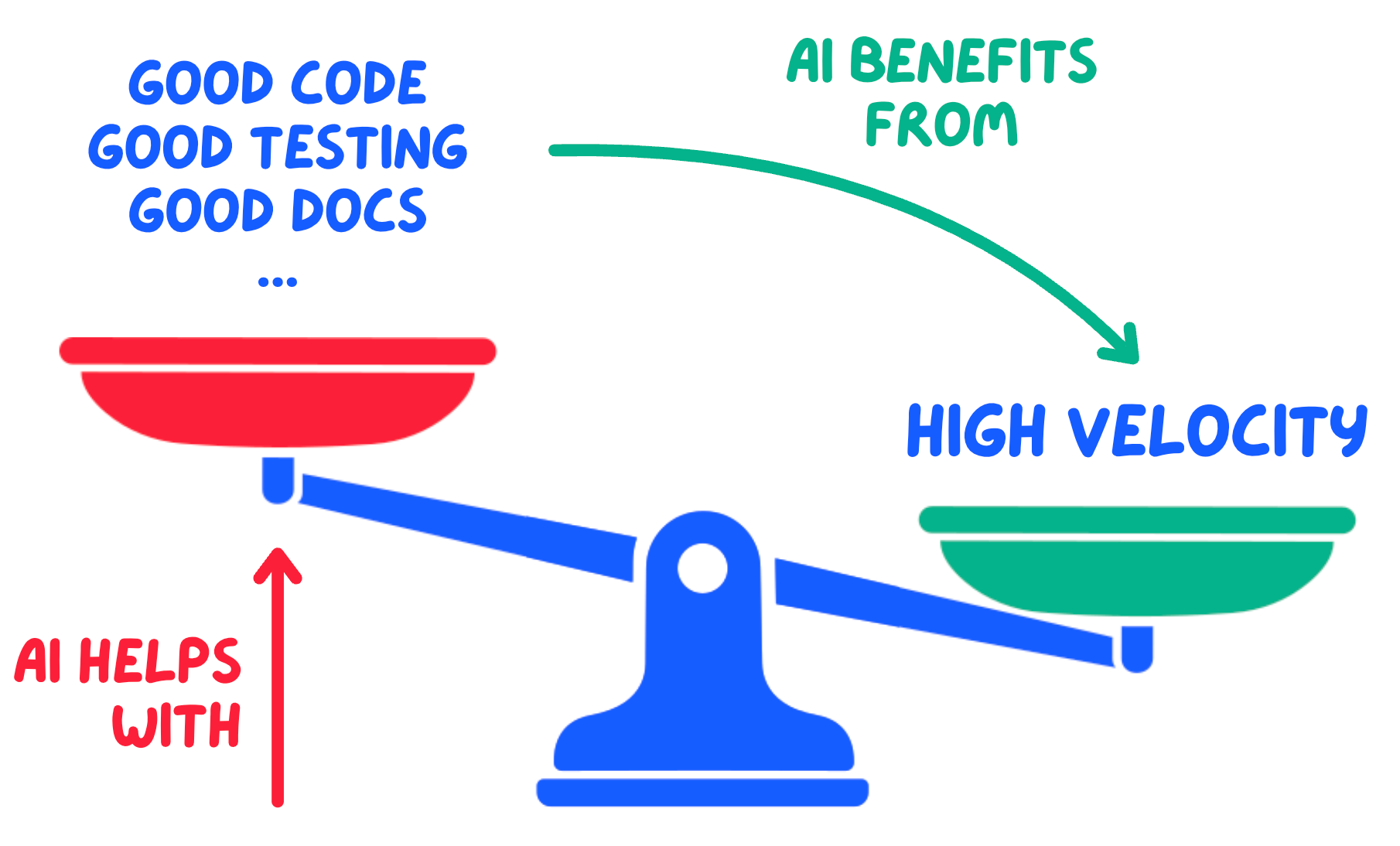
1) What’s Good for Humans is Good for AI
This is my personal favorite out of my own AI articles. There is a lot of gloom and doom among engineers about AI, and I am here to counter it with an optimistic (yet realistic) take.
2) The State of AI Adoption in Engineering Teams
This is the largest survey we have ever run, leading to our deepest industry report ever. We surveyed 400+ teams, plus collected insights from customers of Augment Code, our partner for this work. We uncovered a lot of surprising insights + good emerging practices.
3) AI & Cognitive Debt
This is the most personal article I have written about AI. It explores my own experience of feeling more productive, but also battling against a new kind of cognitive debt, which makes me dependent on AI while my own problem-solving skills atrophy over time.
🎙️ Best podcast interviews
We have done 20 interviews this year, and I loved them all. It’s nearly impossible to pick my favorites, yet here we go:
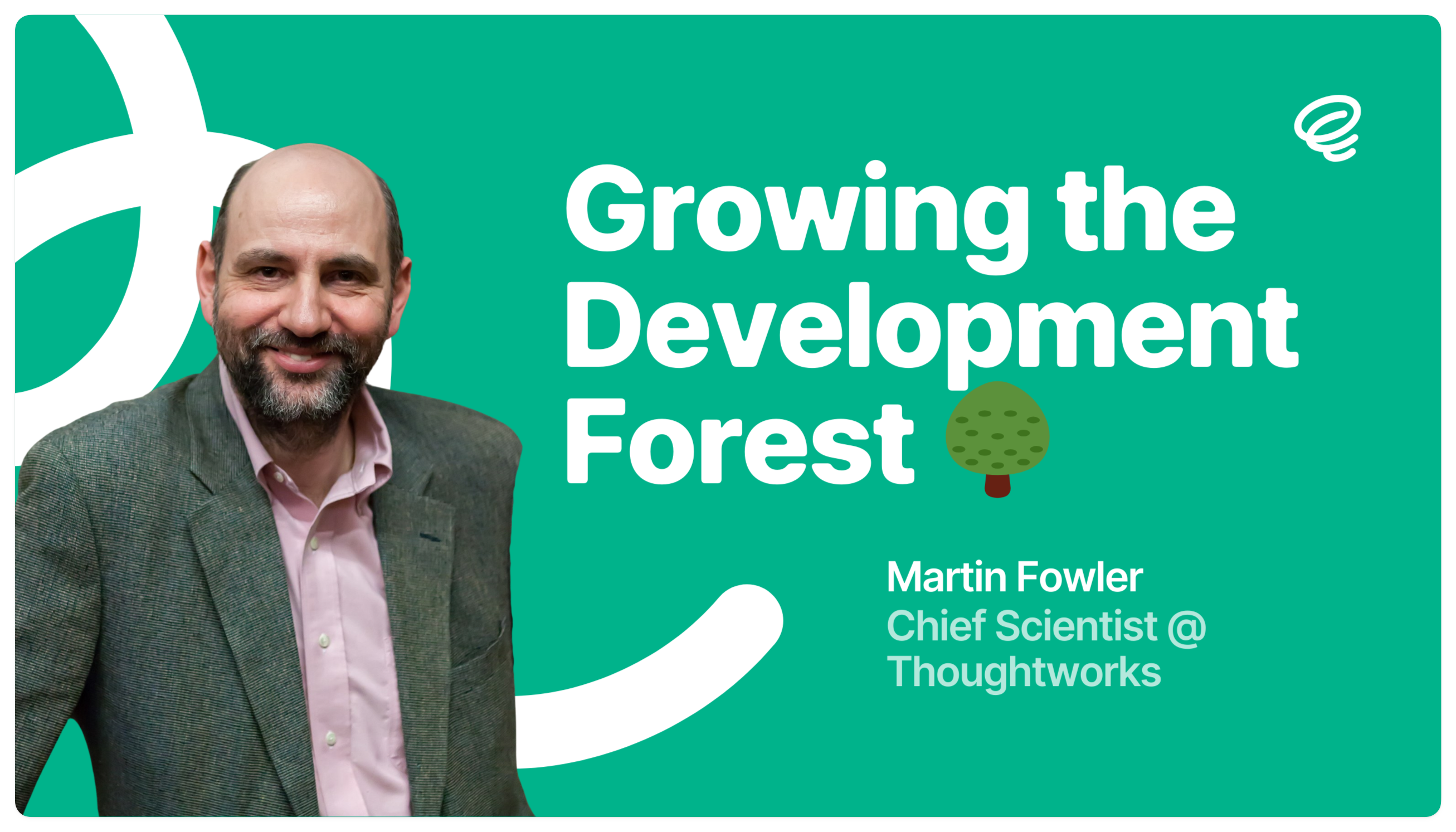
1) Growing the Development Forest • with Martin Fowler
Martin is a hero of mine, and interviewing him was just a dream come true. We talked about the impact of AI on software development, the state of Agile, and how to deal with technical debt.
2) How to Manage Humans • with Rands
Rands’ book Managing Humans single-handedly inspired me to start Refactoring, and earlier this year I had the chance to interview the man himself. We talked about the impact of writing on his career, how his leadership style evolved over the years, and the complexities of modern Engineering Management.
3) How to Coach CTOs • with Joel Chippindale
Joel is our coach-in-residence at Refactoring, and just an endless source of wisdom. We explored the difference between coaching and mentoring, what’s hard about the CTO work, how to delegate and grow your team, and much more!
4) Open-source, complexity, and AI coding • with Antirez
Salvatore Sanfilippo, aka Antirez, is one of the most successful open-source authors of all time (creator of Redis), he is a popular sci-fi author, and a 360° gifted engineer who chose to work his all life from a small town in Sicily, resisting the sirens of Silicon Valley and big tech hubs. This was an incredibly personal chat, with plenty of deep advice for anyone in tech.
🚀 Best things we launched!
Over the years, Refactoring has grown from a simple newsletter into a collection of tools designed to help you run better engineering teams. Most of my time is spent figuring out how to make Refactoring better as a whole, so every year we try new things.
Here are the best things we launched this year, in case you missed it:
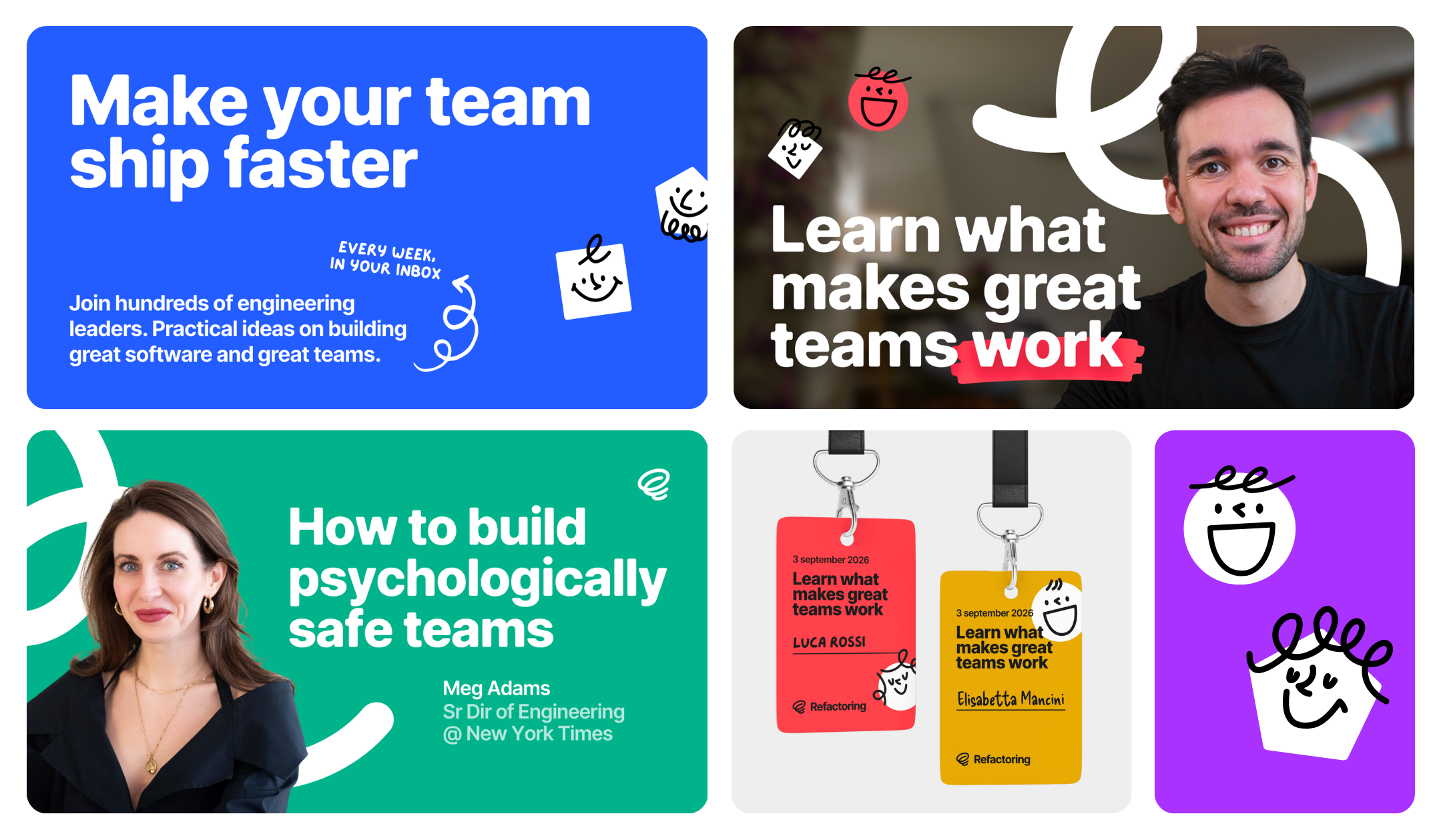
1) Our new brand
Freshly announced just last week, we revamped our digital identity with a new logo, a new custom font, new colors and ideas that build on what makes Refactoring… Refactoring, while making everything better.
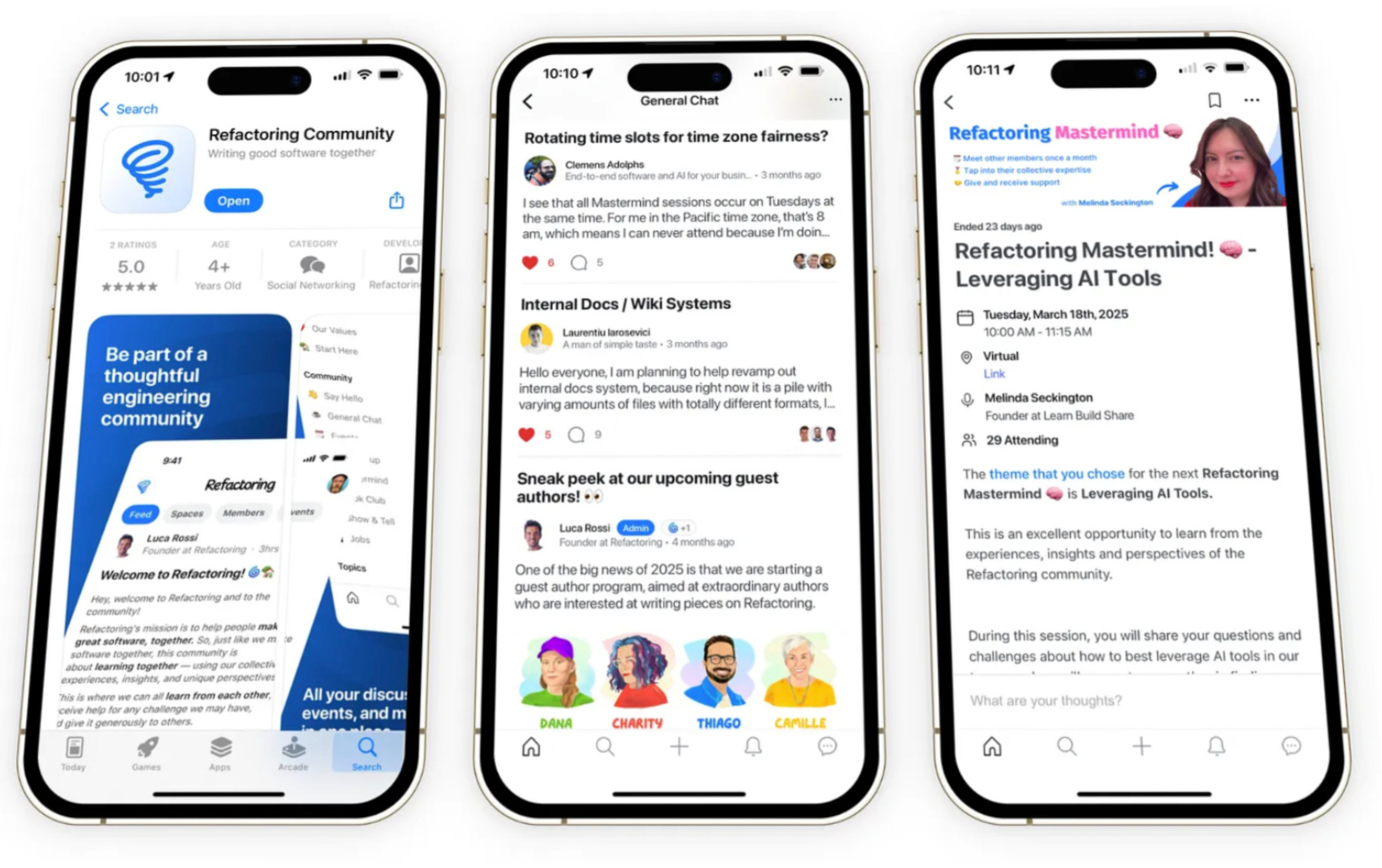
2) Our mobile app
In April we launched our own mobile app — yes, you can download it on the App Store and Play Store!
It’s the single best way for 🔒 paid subscribers 🔒 to access our community, our library, and everything that Refactoring has to offer.
I am incredibly proud of the work we did on this — it’s truly our highlight of the year.
3) Coaches-in-residence
At the beginning of the year we made Joel and Melinda our official coaches-in-residence! This means they regularly hang out in the community to give you support, and host our masterminds and book club reviews.
They are professional coaches who do this for a living, and quickly leveled up everything we do in the community.
4) The top things I read every week — a separate newsletter!
Last year I acquired Hybrid Hacker from my friend Nicola, a separate newsletter that I have kept running ever since.
About a month ago I changed its format to a weekly collection of the best articles I have read, and the reception has been amazing!

As a creator, I have also personally benefited by making more of my process public: it keeps me accountable and makes me read more!
5) My daily tech digest
As part of my efforts to live my creator life in public, I have also published the digest of feeds that I read every week to keep myself posted with everything that happens in tech.
I use very little social media, so that digest is responsible for 95% of what I read.
It’s hosted publicly on Mailbrew, so you can clone it for yourself or subscribe to it for free.
And that’s it for this year! I wish you a great week and see you in 2026!
Sincerely 🎄
Luca