


Hi there! It’s December the 24th, and we take advantage of this cozy Christmas time to publish a special edition and introduce our new brand identity!
Now, if I am honest, I am not a big fan of the word brand identity — it feels so corporate and impersonal. But I can’t say “our new logo” either, because there’s so much more here.
The way I feel about this is like figuring out, after a long time, how you should dress in order for other people to get an accurate impression of what you do, what your values are, and what you stand for.
How awesome would that be? I certainly don’t feel like that about my clothes — but now I do for the Refactoring brand.
This is thanks to long and deep work, lasted several months, with my long-time friends and awesome designers at Moze — a digital studio based in Milan, which I have been working on for almost 15 years! I can’t thank enough Matteo, Emily, and Sergio, for the incredible level of support they provided, and how they were able to bottle my ramblings into an elite package that feels like the best possible version of what I do.
Also, I learned a lot during this process: about Refactoring, about myself, and about what makes for a great brand. So, as I often do here, I’ll try to use this article not only to display the final result, but to share some of these learnings.
Let’s dive in!
❓ Why even work on the brand?
I receive a lot of feedback about Refactoring from readers, and some of the most positive is related to our visual identity:
“I love the colors”
“Drawings are immediately recognizable”
“I like the emojis”
So you may wonder: why did we need to work on this? As a good engineer would say: if it ain’t broken, don’t fix it.
A bit of history first.
Refactoring stumbled upon its identity gradually, as a mashup of things I personally liked: the cyclone 🌀 emoji, the colorful drawings, my handwriting. These things embody aspects of how I see the world, and they “work” exactly for this reason: they are coherent with what Refactoring is about.
Over time, though, Refactoring expanded beyond the classic newsletter, making things gradually more complicated.
Today we have the podcast, the community, the Youtube channel, and a large surface of things which all need to convey the Refactoring spirit, while each obeying different mediums and creative rules.
As a result, our design efforts started suffering from obvious problems:
Dubious execution — our identity elements don’t work well everywhere. E.g. the handwriting that enables great diagrams feels out of place in podcast titles; or the wide palette of colors feels great in some places, while “too much” in others.
Messy design production — Over the years, we have piled up a ton of assets and templates for the creatives we need to produce on a daily basis: diagrams, thumbnails, banners, headers, and more. As of today, a lot of this is confusing and not coherent. It’s hard for me to operate, and even harder for my collaborators.
So, I went back to the drawing board, and started a journey to figure out what makes Refactoring… Refactoring.
🌀 What makes Refactoring… Refactoring?
In early September I went to Milan and spent a full day with Matteo, Emily, and Sergio to talk about what Refactoring is and what it stands for.
This was useful for them — and invaluable for me.
Working with external people allowed me to get outside of my head and turn vibes into precise concepts. By now, I have seen this multiple times: as long as I talk to myself, I take a lot of things for granted, which makes my thinking sloppier. Instead, working with someone who has little of this shared context, levels the playground and helps me uncover more problems and opportunities.
So here is what I believe about Refactoring today:
What are we doing here?
Refactoring helps tech leaders run better engineering teams. A better team is a team that is faster, happier, and ships better products.
These might look like a lot of different things but, in reality, they are all the same thing.
After running this newsletter for 5 years, and talking with hundreds of engineers, managers, and founders, the most important thing I learned is that in software there are no tradeoffs.
Speed leads to quality, and quality enables speed. Happier teams are also faster. They create better products, which makes them happier in return.
If you feel like you need to choose between some of these, you are doing it wrong.
Small teams
Refactoring has a soft spot for small teams.
Most of what we write is valuable for teams of any size, but it’s especially fitting if you are an early stage startup, or a small-to-mid-size company of <100 engineers.
The truth is I am just obsessed with figuring out how to make a small group of engineers insanely effective.
I believe this is the most important problem in software, as it has an outsized influence on everything else: most choices you make at org level on one side, and individual work on the other, are downstream from how you make an atomic, small group of engineers work together.
For the same reason, you won’t find advice on Refactoring about e.g. how to get from L4 to L5 in a FAANG, or other big tech intricacies. I understand there is value in that, but I am not the right person to help with that.
Values
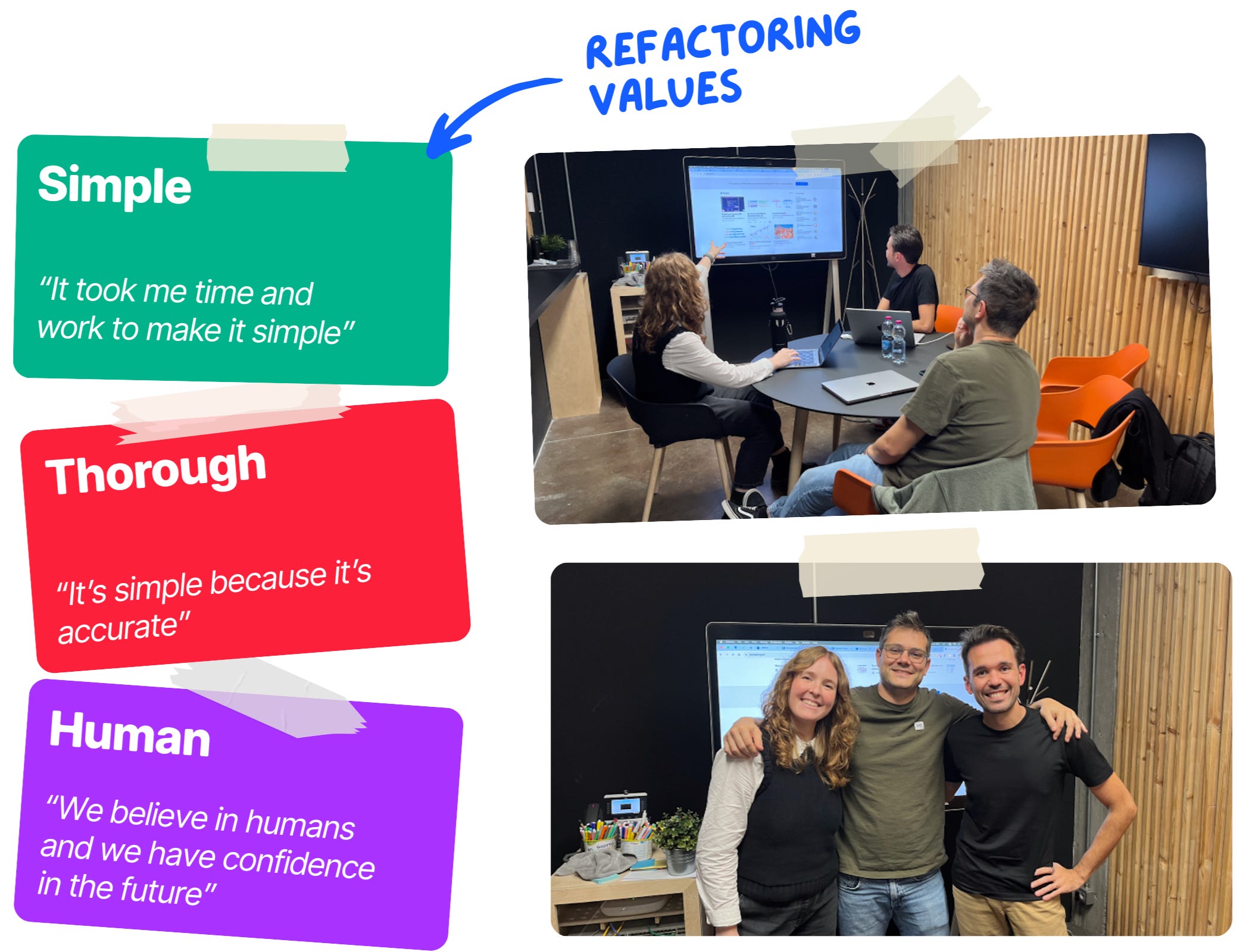
Once we covered the what, we focused on the how. There are three qualities I try to achieve in my writing:
🌱 Simple — I deeply care about making things simple. I try to unpack complex problems into simple models, frameworks, and solutions. If I can’t explain something in simple words, it’s probably because I haven’t fully understood it.
🔬 Thorough — Simple doesn’t mean shallow: quite the opposite. I believe in what we may call deep simplicity: it’s simple because it’s accurate. You should be able to trust what you read on Refactoring because it distills an inordinate amount of research, stories, and ideas, into the smallest possible package that you need to remember. Nothing more, nothing less.
❤️ Human — there are many ways to run tech teams. I believe in a way that empowers people and puts them at the center. Refactoring has a fundamental belief in people; it has confidence in the future and in others.
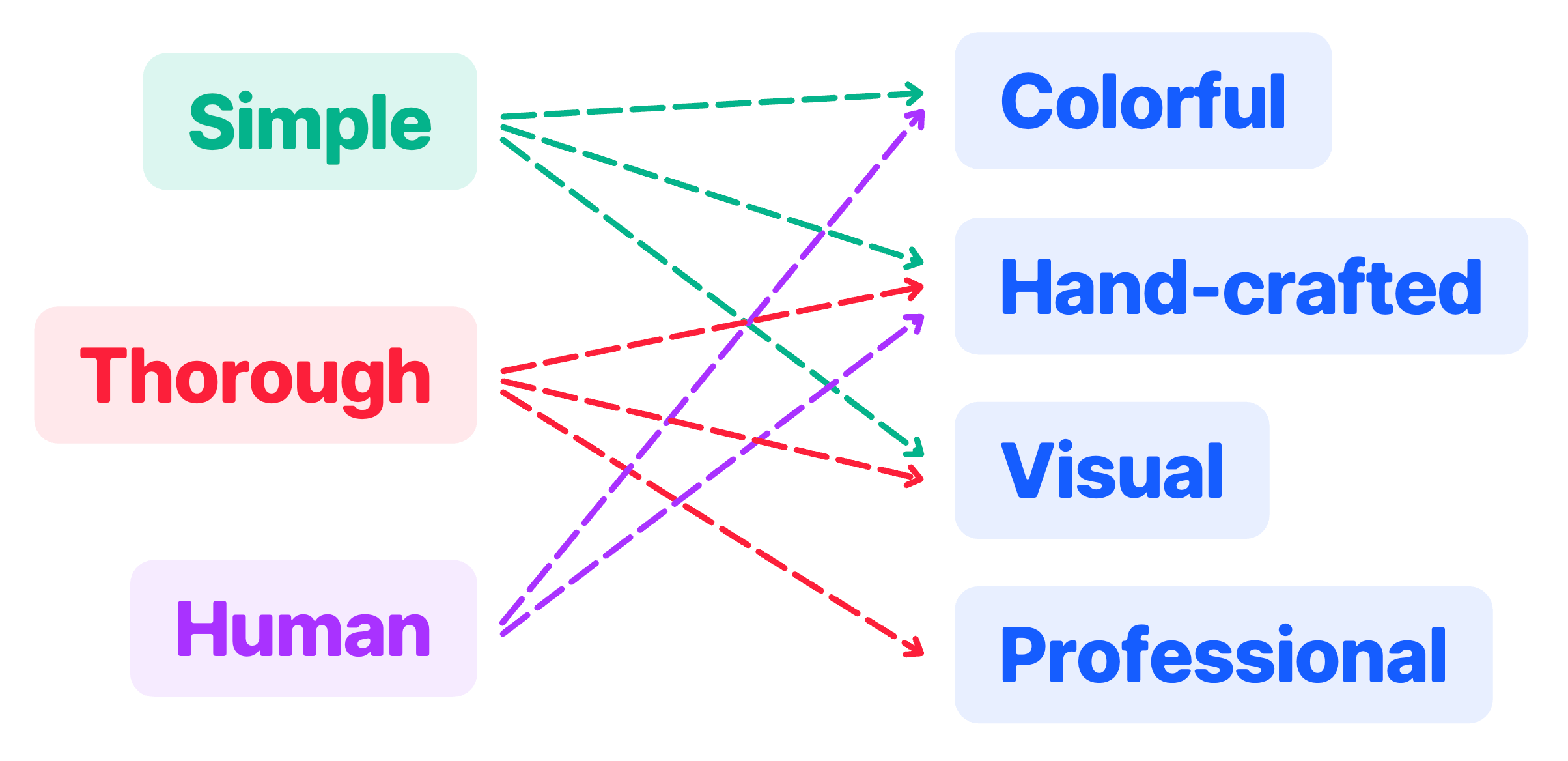
These values are upstream of everything we do, including the key identity aspects that I associate Refactoring with:
🎨 The New Refactoring Brand
So starting from the foundations above, plus everything we already had in place, here is what we produced:
Logo
Refactoring has a brand new logo, which is a thing of beauty:
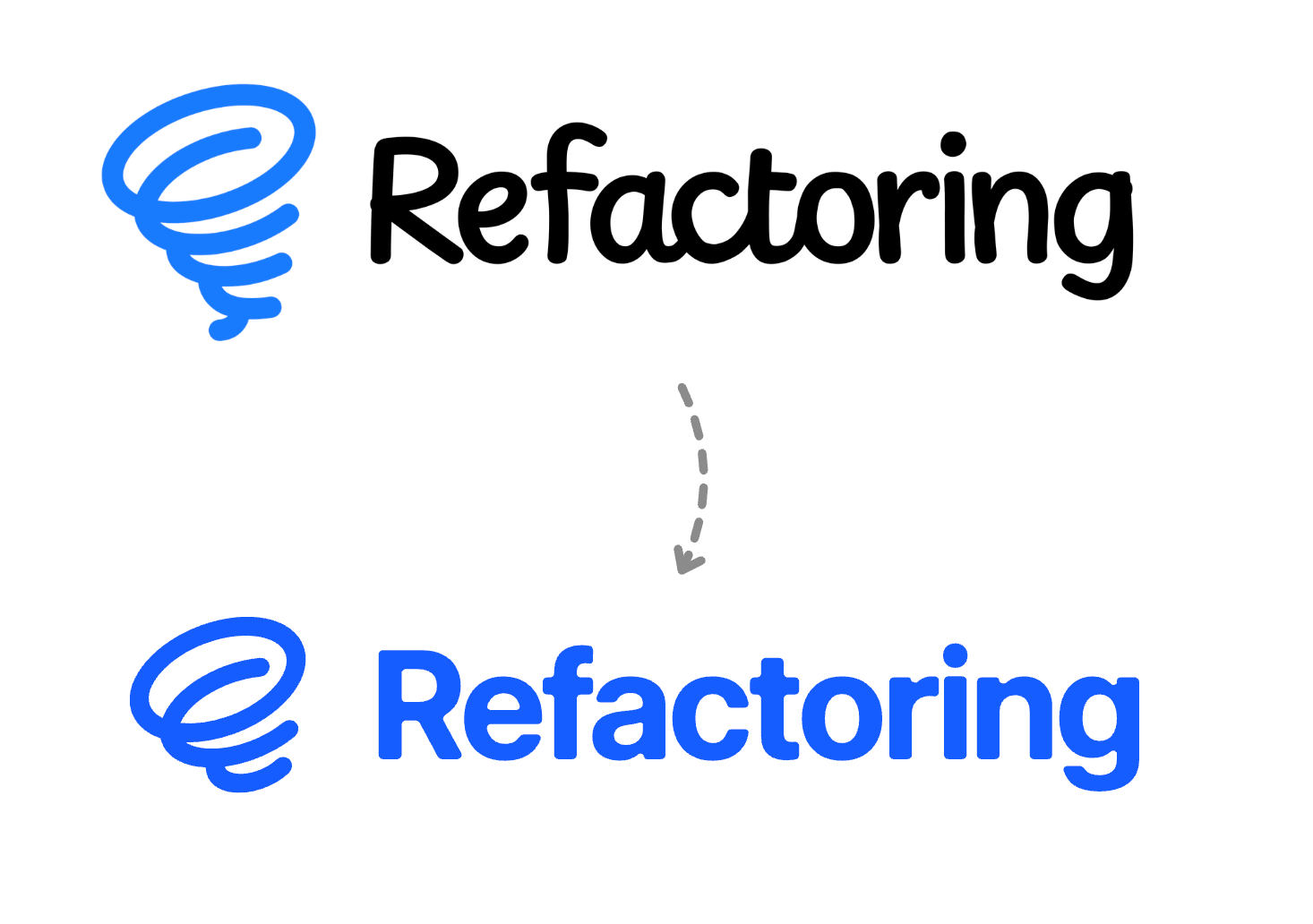
The new logo has two major changes vs the old one:
The tornado icon is now simpler and in a more manageable 1:1 aspect ratio.
The wordmark drops the handwritten version in favor of a cleaner digital font.
What font is that?! Thank you for asking 👇
The Refactoring Font
When we decided to go for a simpler wordmark, we still felt bad about completely dropping the custom, handwritten feeling of the old one.
So we did what every sane person would do: we designed an entire new font.
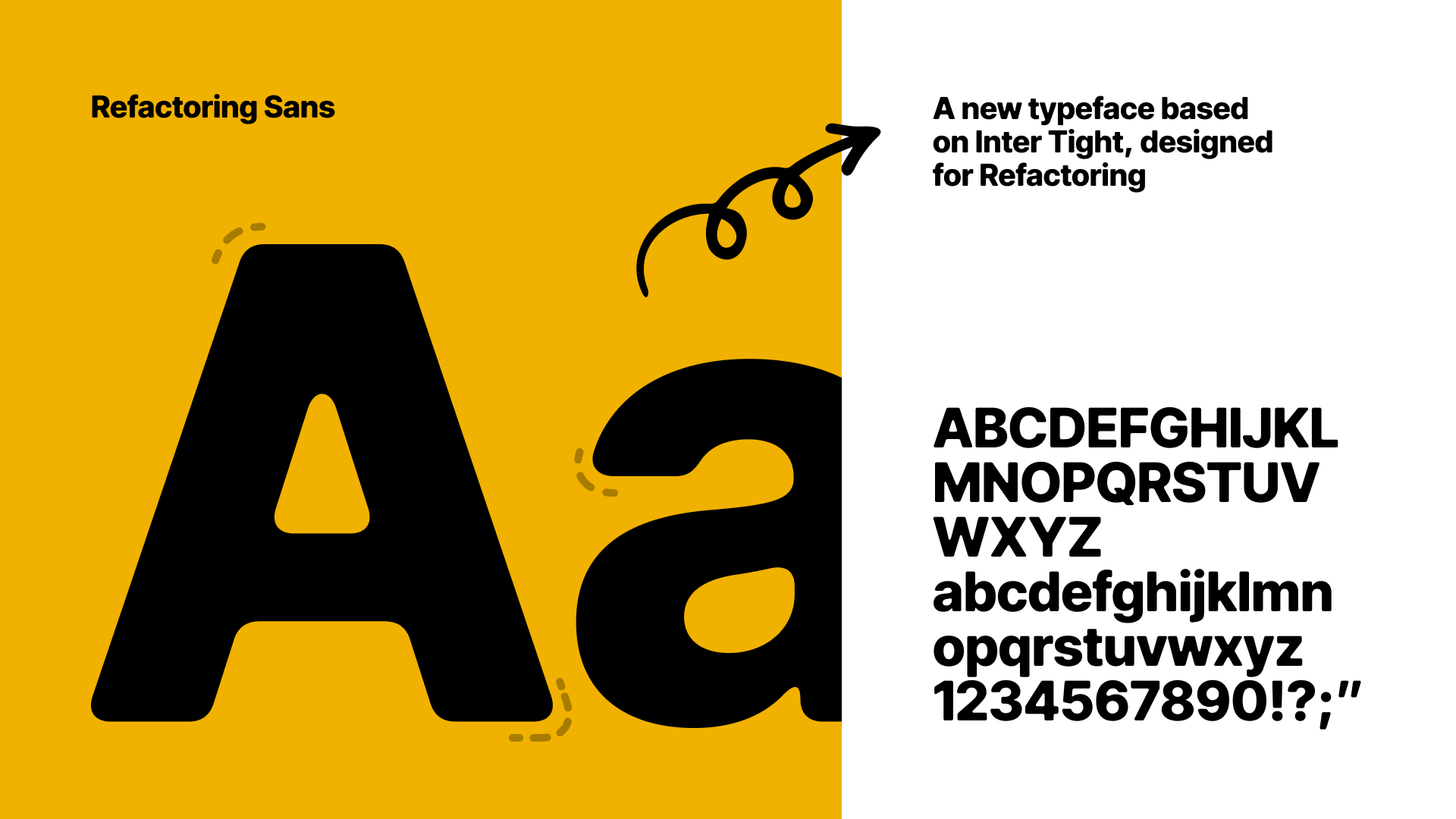
The guys at Moze did an incredible work by taking Inter Tight, one of the main fonts we were already using, and creating a version that is cozier, more rounded, and feels more like Refactoring.
I have been using it for a few weeks now, and it’s incredible how apparently subtle changes give text an entirely different vibe, which is now the Refactoring vibe.
Colors
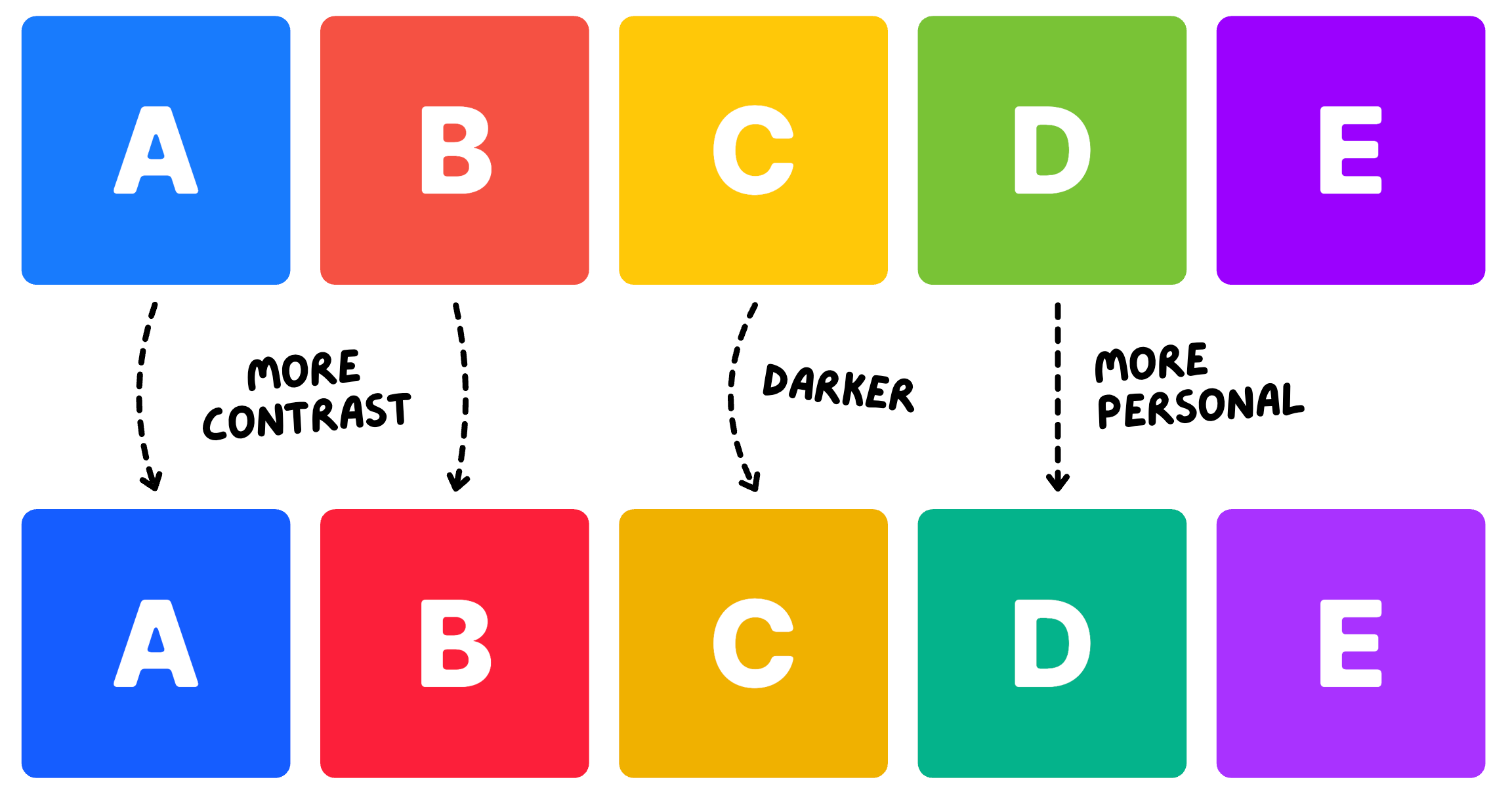
We also tweaked the main colors to create better balance, better contrast with text everywhere and a more personal palette.
Faces!
After we laid the foundations, we started having fun with new ideas. What could we possibly add that feels like Refactoring and enriches what we do?
We tell stories about humans. Each story and each person is different, which is the beauty of working together, so we asked ourselves if we could convey such diversity in a way that was also fun and personal.
The result is our Refactoring faces: a set of lovely hand-drawn humans with different styles and shapes, which we can mix and match in many ways 👇
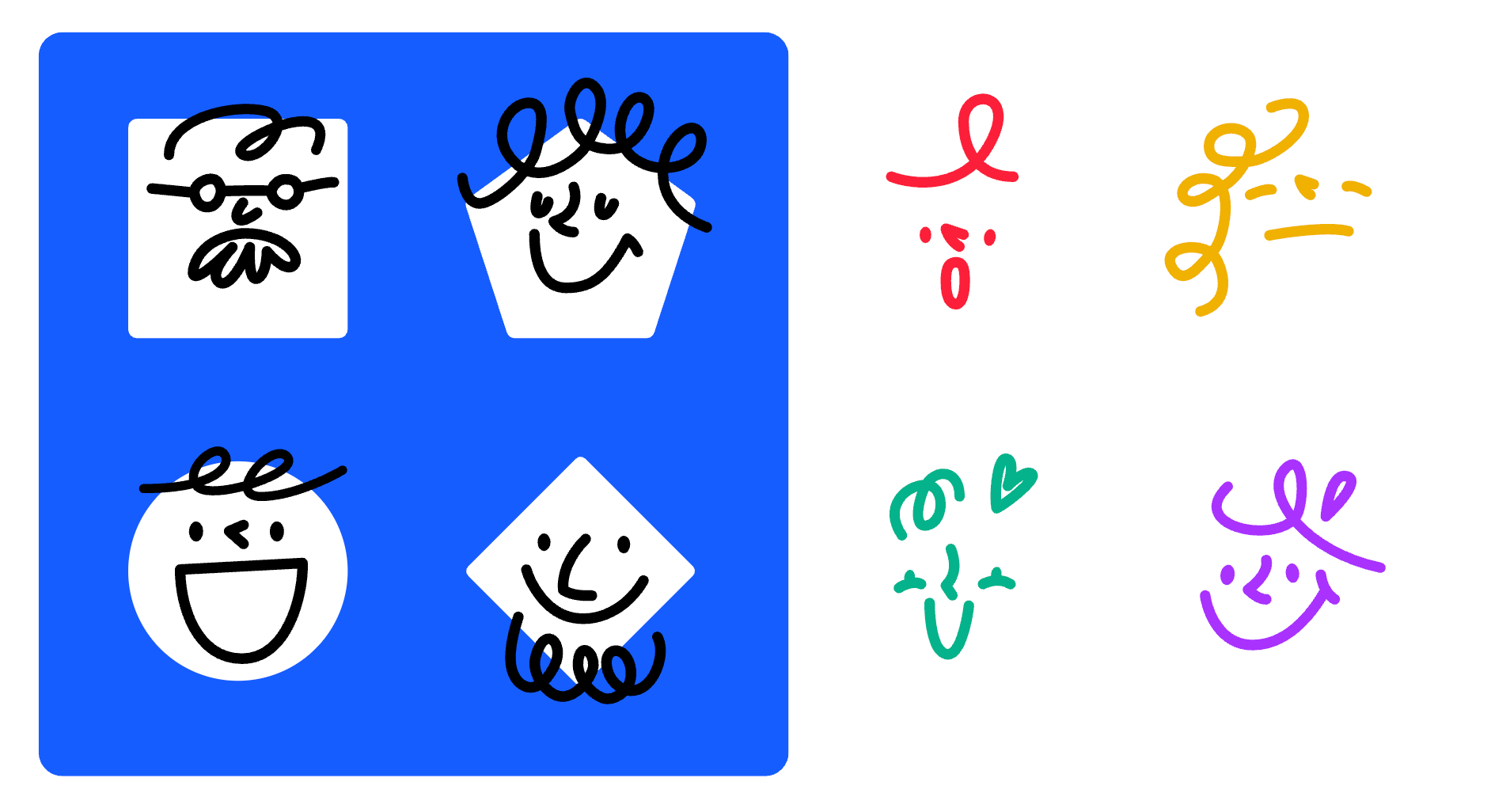
They all include a swirl somewhere, which winks at our logo, and which we started embedding in more and more elements.
🏆 Final result
I include below a few designs that combine everything above into some of the assets we routinely create.
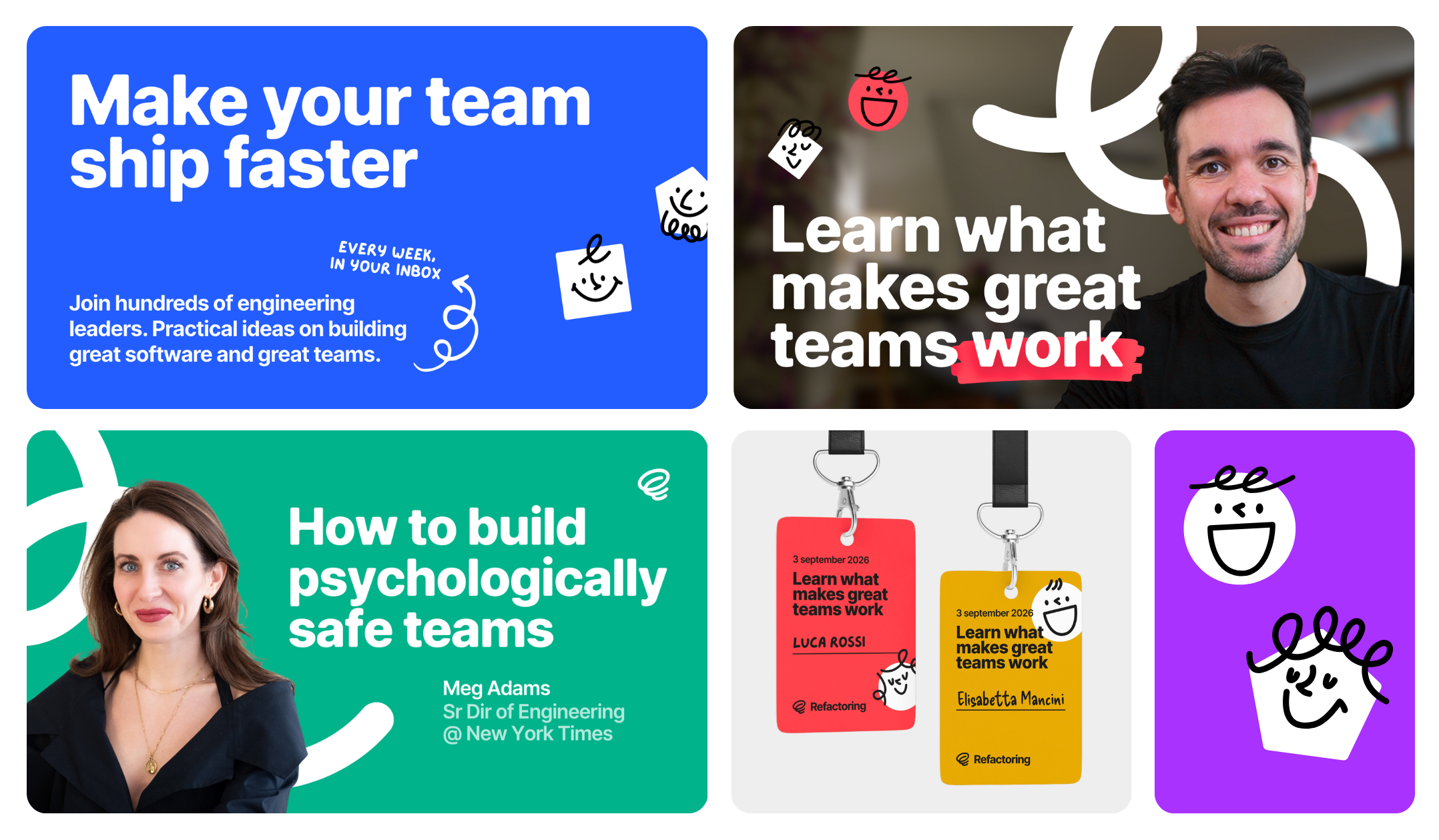
I am incredibly happy with the result: it feels very Refactoring, while raising the bar on the quality, variety, and playfulness of everything we do.
So that’s it for today! I wish you an awesome Christmas and some well-deserved quality time with your loved ones!
See you next week 👋
Sincerely
Luca
I want to thank again Matteo, Emily, and Sergio from Moze for the incredible work they have done. I have known them for 15 years, they are the best designers I know and I recommend them wholeheartedly to any startup looking to level up their brand or UX/UI game.
This looks great. Love the commitment to excellence embodied in creating your own font, and integrating the logo into the faces is awesome.